

Oregon needs more youth ‘respite’ homes, but funding problems stand in the way
The closure of one Southern Oregon facility highlights barriers to expanding care for kids with complex behavioral health needs
The closure of one Southern Oregon facility highlights barriers to expanding care for kids with complex behavioral health needs

A former student alleged district administrators failed to intervene and protect her from being sexually abused by an English teacher

Despite concerns newsroom staffers shared with InvestigateWest and RANGE, the nonprofit taking over Spokane’s daily paper plans to keep Curley in a leadership role


The closure of one Southern Oregon facility highlights barriers to expanding care for kids with complex behavioral health needs

Megan Miller knew she and her son needed breaks, but for a long time, she didn’t know how to get one.
As a single mom in Eugene, Oregon, caring for her neurodivergent — or “neurospicy,” as she calls it — 8-year-old left her feeling overwhelmed and isolated.
A standard childcare or after-school program wouldn’t accept him given his special needs, and Miller doesn’t have family nearby. Her son’s Medicaid plan for people with an intellectual and developmental disability covers two weeks of “relief” overnights per year, but she said she has never been able to use it because the benefit only covers limited situations and there are few providers.
This struggle worsened when they moved homes and schools. Miller said her imaginative, Spider-Man obsessed boy became so depressed amid the changes he was expressing thoughts of suicide. She became desperate for a solution.
For decades, experts have recommended a service for kids with complex behavioral health needs called respite, which provides short-term supervision from trained providers and gives families like Miller’s a break from the kind of stress that can lead to emergency room visits, caregiver burnout, and in some cases, abuse or neglect. But the service isn’t easily accessible in most of Oregon.
There is no statewide funding available for youth behavioral health respite, and Oregon is one of only two U.S. states that does not mandate Medicaid coverage. As a result, it is largely up to Oregon’s regional Medicaid networks to decide whether or not to pay providers for this care.
While some do cover it, providers still find it hard to cover the cost of offering a service that must be able to accommodate a child with complex needs at any time. That’s led to program closures, including the shuttering of one youth respite home in Southern Oregon, Interval House, just last year after a decade in operation.
Kairos NW, the nonprofit youth mental health and foster care services provider that ran Interval, decided to close the home after the regional Medicaid administrator, Jackson Care Connect, significantly scaled back its funding for the program, citing low utilization and a need to direct their limited dollars elsewhere.
Oregon’s health and child welfare agencies have invested in recent years in other youth outpatient behavioral health services designed to stabilize a child after a crisis. For years, the state has ranked among the worst in the nation for access to youth mental health care. But providers, state commissions and local mental health authorities have repeatedly said there are still serious gaps in pediatric services — and flagged respite as one of the biggest needs remaining to build a functional support system for kids and their families.
 Danielle Dawson

“[Respite] gets taken for granted,” said Sarah Hollingworth, outpatient services director at Kairos NW. People assume families can just "deal with it" without these types of services, when finding appropriate care for a kid with complex behavioral health needs is not simple, she added.
State officials are now exploring how they can require Medicaid coverage to help make respite more available to families across Oregon, but that wouldn’t solve the funding problems. Regional Medicaid networks say costs have risen and they are already overstretched by the existing behavioral health services they’re required to provide. Federal cuts to Medicaid funding are expected to add to these pressures.
After months of trying, Miller found a daytime respite program in Lane County that had space for her son. It’s only a few hours of care on a Saturday, once a month, but she said it was a game changer. It gave her son the space to simply be a kid, with others like him — and her a much-needed break.
“There were so many times that I felt like I was failing as a parent because it was so hard to find services for my child,” Miller said. “We have set up this system where we are not helping families to flourish. We are setting them up to fail.”
Before it closed, Kairos NW’s Interval House was one of only a few youth behavioral health respite providers offering overnight services in the state. With its closure, there’s now only one respite provider available within the three-hour drive between the California border and the city of Eugene in southwestern Oregon. It’s in Grants Pass, 140 miles south of Eugene.
As a licensed behavioral rehabilitation services center, Interval was staffed with trained providers 24/7 and could accommodate up to three kids at a time, each for a few days.
The experience was designed to feel like a trip to “grandma’s house” instead of a day in a full-time residential treatment facility, said Susan Tremper, who worked as a live-in provider at the Medford facility.
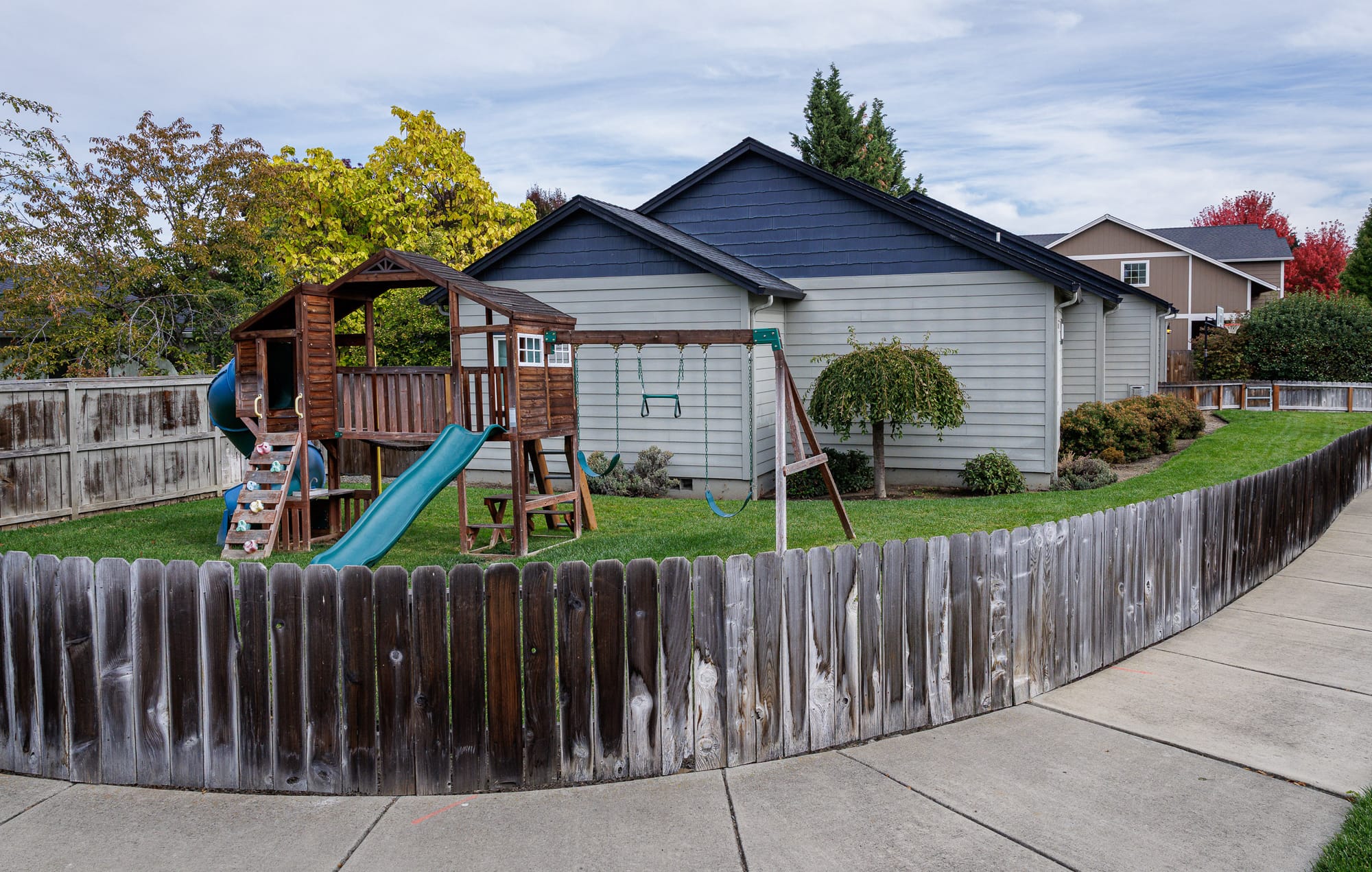
The staff structured a child’s day to be as close to their usual routine as possible, while incorporating opportunities to address specific behaviors, like anger or shyness. Kids did arts and crafts, went to the movies or local science center, and got time to do homework. They were allowed to choose what they wanted to do, whether they wanted time to themselves and what they wanted to eat. Instead of adding another therapy appointment or requirement in their day, Interval gave them structured choices, Hollingworth said. That real world practice with new skills, including building trust with adults, helps kids translate what they’re learning from other programs into instinct.
“We found that our respite providers were able to see more success in a shorter period of time that builds on a lot of those other skills,” she said. Especially for foster kids, respite care can help create routine and normalcy in a destabilizing experience, and increase the success of a foster placement, she added.
Respite care dates back to the 1980s, when states shifted away from institutionalizing kids in favor of keeping them with their families. For nearly a decade, Oregon did fund local respite care networks, but it was cut from the state budget in 2010. Now, youth respite is largely provided by a handful of nonprofits across the state like Kairos.
Anna Williams, director of Oregon’s System of Care Advisory Council that is tasked with improving local youth services, said respite is a “proven approach” that saves the state money in the long run. It relieves the stress of dealing with trauma or complex disabilities, which can fracture family relationships. And it can prevent kids from experiencing deeper — and more expensive — crises that send them to emergency rooms or child welfare.
“If we can get people into respite care, we may not need an emergency room or an inpatient setting,” Williams said. “It can be massively preventative if people can just take a break.”
Since Oregon does not require respite care be covered by Medicaid, local Medicaid administrators, known as coordinated care organizations, have discretion over whether or not to cover it — and many do not. Only half of these networks currently list providers offering overnight respite care in their member benefits documents.
Yet the need is more widespread. Multiple local systems of care, including those in Lane, Linn, Benton and Lincoln counties, have told state officials that regularly accessible respite is one of their community’s biggest unmet needs. A special report in a lawsuit against Oregon for its practice of placing foster kids in hotels called for the state to provide more respite options. And a state commission that reviews what services should be covered by Medicaid has continually recommended respite as a treatment for nearly three dozen behavioral health conditions. Some families may be able to get respite care if their child is in foster care or another state-run youth system, but there aren’t enough providers to meet demand.
To run Interval House, Kairos relied on funding from Jackson Care Connect, a coordinated care organization in Jackson County. The Medicaid network covered the lion’s share of the home’s approximately $58,000 in annual operational costs and separately reimbursed for any clinical services provided to kids.
Last year, however, Jackson Care Connect cut the operational funding it provided, leaving only a reimbursement for each bed occupied. Jeremiah Rigsby, chief legal and public affairs officer for CareOregon, which operates Jackson Care Connect, said they decided to rightsize the funding, since it was considered underutilized compared to other services.
“Our specific contract with Kairos evolved as initial projections for care utilization substantially differed from the level of services that our members actually used,” Rigsby said, noting Jackson Care Connect members still have one other respite provider available.
Interval House served, on average, about 30 children a year, whereas some of Kairos’ other programs see upwards of 700 kids, according to Hollingworth. She said Interval had limited capacity in part because of the individualized care it provided. For instance, when Interval accepted a child with a history of aggressive behavior, Hollingworth said they wouldn’t place other kids in the home at the same time for safety. There was also often a waitlist for weekend appointments while weekday slots were vacant.
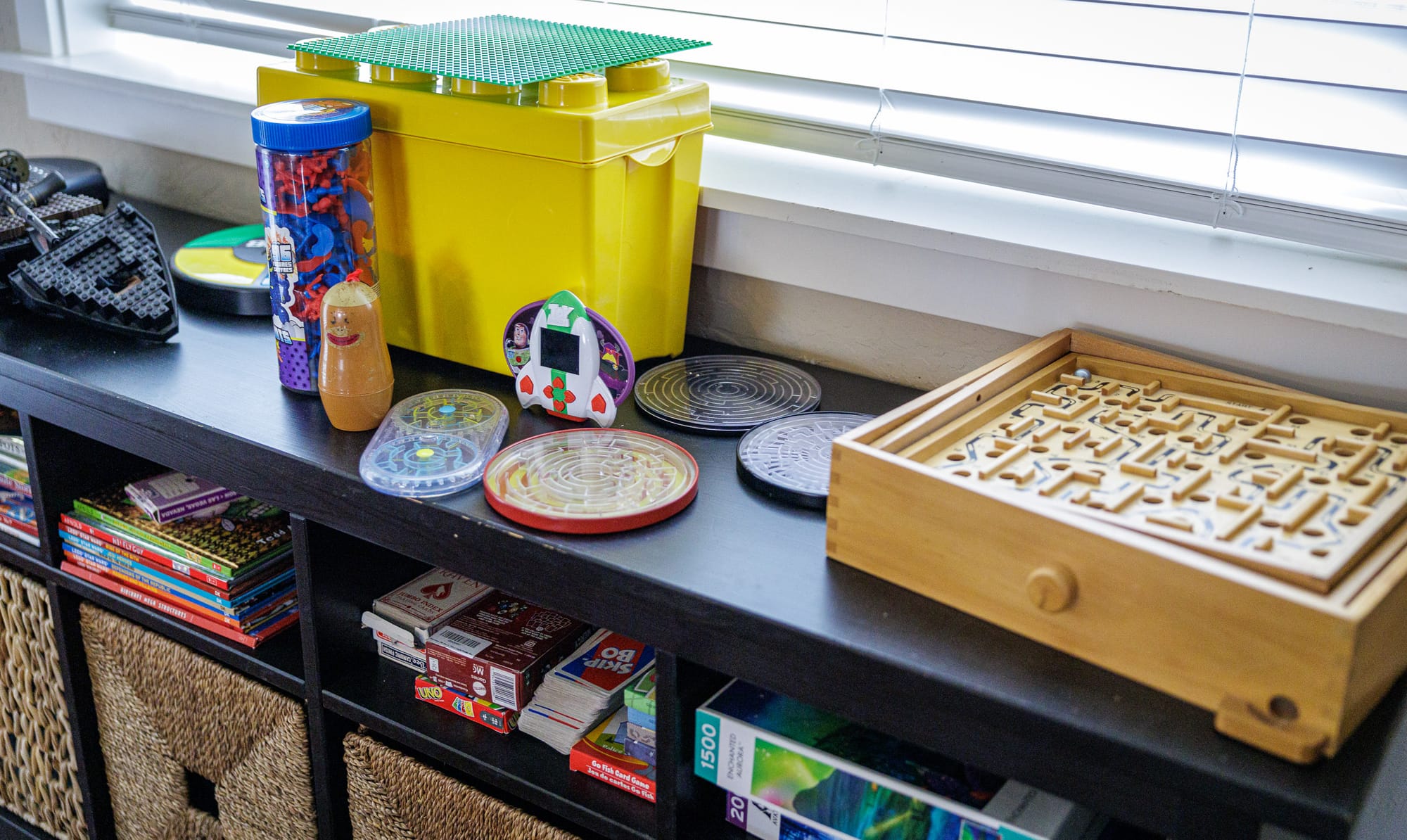
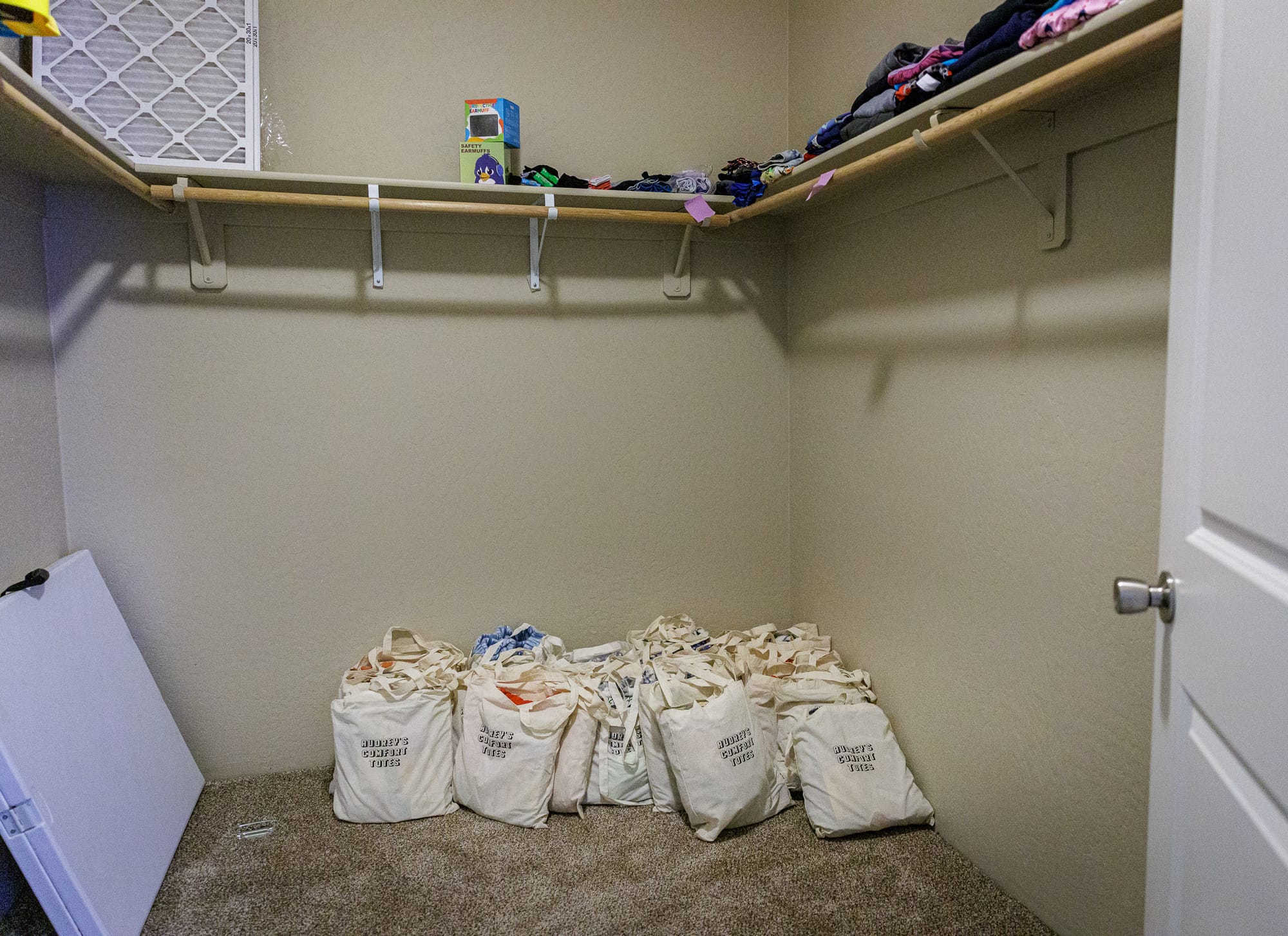
Games and leftover welcome bags for the kids that visited Interval House, a youth respite home in Medford, Oregon, sit unused in a closet on Oct. 20, 2026. (Bob Palermini/InvestigateWest)
In 2024, Hollingworth said, Kairos was in talks with Jackson Care Connect, the Department of Human Services and another coordinated care organization to open a second home so they could serve more kids.
“That’s a hard loss to have had [respite] for so long and then for it to go away without much notice or a plan,” Hollingworth said.
Health officials have already observed a troubling rise in children boarding in emergency departments for behavioral health concerns over the past few years — which a report released earlier this year by the Oregon Health Authority’s Ombuds Office says is linked with inadequate outpatient services for youths before they reach a crisis.
Children of all ages saw a 15% increase in emergency room visits for mental health crises or substance use between 2020 and 2024, according to the report. The increase was especially pronounced for those under age 6, jumping 74%.
“Almost without exception, they’ve all attempted to access treatment and care for their young children,” said Cate Drinan, a pediatric patient advocate with the Ombuds team. “Either the services that they have in place in the community aren’t sufficient to hold them, or the services that they need don’t exist or aren’t available in their region.”
After repeated emergency room visits and no help to manage their child’s needs, Drinan says, she has seen some families hit a breaking point where they choose to relinquish their child into the custody of child welfare, having come to the conclusion there’s nothing else they can do to help. If they were already in the care of foster parents, it could mean another disorienting move.
“The children are sent back home, and the cycle starts all over again because they haven’t found any meaningful intervention,” Drinan said.
Oregon health and child welfare officials have been trying for years to reintroduce respite services statewide, although it remains a tall order.
Right now, they say the best option to improve statewide access of youth respite care would be to add it as a standard service under Oregon’s Medicaid program, as 48 other states have done. Providers currently negotiate privately with coordinated care organizations over how to provide and fund respite care, making it hard for them to compare notes.
To do that, the state would need to get a waiver from the Centers for Medicare and Medicaid Services allowing it to deviate from federal standards. Oregon’s current Medicaid waiver that could include respite care expires in 2027, creating an opening for the request.
“Until we get it turned on at the Medicaid level, which is how you actually ensure statewide access,” said Williams, the System of Care Advisory Council director, “it’s going to continue to be a kind of catch-up.”
Subscribe to our weekly newsletters and never miss an investigation.
It’s unclear whether CMS would approve it. Under President Donald Trump, the federal Medicaid agency has made a number of changes to make it harder for states to obtain a waiver. Even if respite care was approved, Oregon would likely need to pitch in state dollars to fund the service, Williams said — something lawmakers have declined to do at least three times since 2023.
Mandating statewide Medicaid coverage also wouldn’t solve the operational, licensure and administrative costs that can make it hard to finance programs that must be ready to care for children at any time.
Rigsby, the CareOregon representative, said coordinated care organizations are already stretched thin, between rising costs and state Medicaid expansions that have grown the list of services they must provide.
“We have a healthcare benefit that honestly we can’t afford,” Rigsby said, adding that their priority has to be on services with the most demand.
Williams said it will likely require teamwork from multiple corners of state government, including action by lawmakers, to expand access to this care.
“It’s going to take a significant amount of time and a decent amount of state-level investment in order to get something up and off the ground like this,” Williams said.
Kairos is still trying to find a way to reopen Interval House. Families who once used the program are constantly asking when it will reopen, Hollingworth said. After seeing improvement with respite care, some caregivers told her they’ve seen old concerning behaviors return, putting strain on the whole family.
“It cannot be overstated the impact that the break has on everybody,” Hollingworth said. “The benefits ripple out to every single system a child touches.”
The story you just read is only possible because readers like you support our mission to uncover truths that matter. If you value this reporting, help us continue producing high-impact investigations that drive real-world change. Your donation today ensures we can keep asking tough questions and bringing critical issues to light. Join us — because fearless, independent journalism depends on you!
— Jacob H. Fries, executive director
DonateCancel anytime.

The board of 5Rock Ranch nearly shut it down more than a decade ago, but former residents say harmful practices continue

State lawmakers wary of government spending have turned down bills to fund emergency medical services

Shereef Elnahal, who has served as president since August, said the hospital needs to stabilize its finances before it can resume the project

The state announced the new assistance as federal Medicaid cuts are expected to reduce Oregon’s program by $11 billion over five years

A former student alleged district administrators failed to intervene and protect her from being sexually abused by an English teacher

Despite concerns newsroom staffers shared with InvestigateWest and RANGE, the nonprofit taking over Spokane’s daily paper plans to keep Curley in a leadership role

As Klickitat County Sheriff Bob Songer retires, candidates have distanced themselves from some — not all — of Songer's most controversial positions

State agencies don’t know how many inmates face more prison time because they couldn’t access programs prescribed by parole commissioners
Subscribe to our weekly newsletters and never miss an investigation.