

She brought fentanyl to the hospital to save her son. Idaho treated him as a trafficker.
After Isaac Berger overdosed, his mother gave hospital staff the pills she found in his room. She says it became the biggest regret of her life.


After Isaac Berger overdosed, his mother gave hospital staff the pills she found in his room. She says it became the biggest regret of her life.

Advocates and experts say that reflects the challenges rural families have getting health and social safety net services

The school board said state law limits the district from taking action against the former principal, despite community demands to fire him.

The state announced the new assistance as federal Medicaid cuts are expected to reduce Oregon’s program by $11 billion over five years

Nearly two dozen Oregon rural hospitals will receive $37.5 million in state and federal funds to shore up labor and delivery care ahead of Medicaid cuts going into effect next year, though state and hospital officials say the one-time funds are likely a limited solution.
The program, which was greenlit by the Centers for Medicare and Medicaid Services last month, combines $15 million in state dollars with more than $22 million in federal matching funds. The money will be distributed to the state’s 21 rural hospitals that provide maternity care, most of which are more than 50 miles from the next closest birth center.
The funding was announced after a number of rural hospitals across Oregon have closed — or threatened to close — their labor and delivery units, which typically cost more to operate than they bring in. As InvestigateWest highlighted, these services are often eliminated when a struggling hospital is trying to prevent closure altogether.
Oregon officials described this new assistance as a short-term buffer against the financial pressures facing rural hospitals that put their maternity services at risk, including rising costs, staffing shortages, and looming changes in Medicaid eligibility and spending.
The tax cuts and spending package passed by Congress that made these changes, known as H.R. 1 or the “One Big Beautiful Bill,” is expected to wipe out roughly $11 billion in federal support for Oregon’s Medicaid program over the next five years, according to an estimate from Gov. Tina Kotek’s office.
"I fought for these funds in my budget to stabilize services in Oregon because rural communities deserve reliable, high quality maternity care close to home,” Kotek said in a May 28 news release announcing the funding.
 Danielle Dawson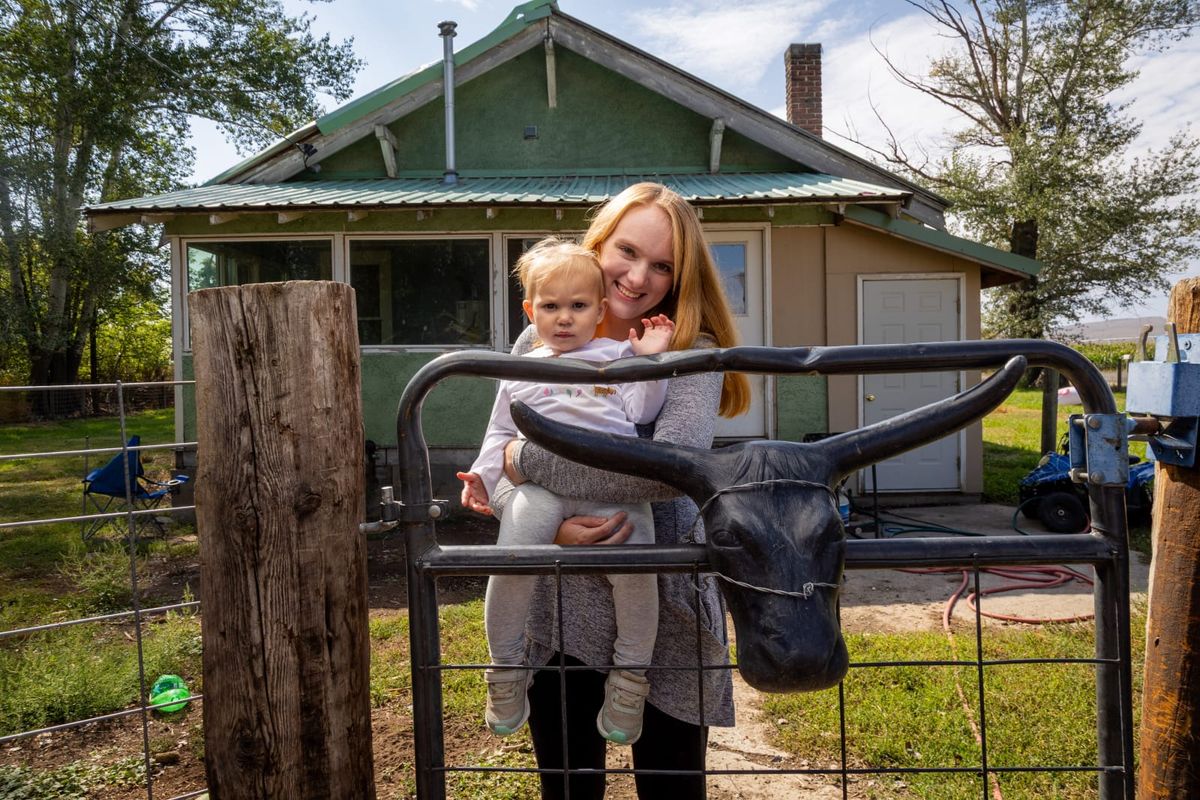
While the additional funds will provide a limited cushion for hospitals before sweeping changes to the federal program start to take effect in January, hospital leaders told InvestigateWest they remain concerned it won’t be enough to prevent further erosion to rural maternal healthcare in the coming years.
“A one-time payment in and of itself isn’t going to solve a long-term problem, but it will help us for now,” said Dan Grigg, CEO of Wallowa Memorial Hospital, a rural healthcare center in the northeasternmost corner of Oregon that delivers about 50 babies a year.
Ashley Thirstrup, Oregon Health Authority chief of staff and external relations division director, said the agency recognizes the constraints of the one-off investment.
“The scale of the Medicaid cuts proposed in H.R. 1 is going to put significant pressure on the system overall,” she said. “I don’t think we’re thinking this hole is going to be plugged by these dollars alone.”
Rural hospitals, most of which are already operating with precarious margins, are rarely able to recoup the cost of running a labor and delivery unit, in part because they see fewer patients than their urban counterparts.
With more than half of all births in Oregon covered by Medicaid, these facilities worry the federal cuts will crater their finances and force more maternity wards to close. The result would leave more pregnant women in the state to travel long distances to receive prenatal care or give birth, resulting in more dangerous pregnancies and higher risk of infant mortality.
The Oregon Health Authority will distribute the $37.5 million fund to hospitals based on the total number of Medicaid patients they care for throughout 2026, according to the application submitted to the Centers for Medicare and Medicaid Services, meaning hospitals that get more patients covered by the program will likely get more money. The amount each hospital will receive is still being finalized, but officials plan to send out the first dollars before the end of the year.
State officials say the funds are intended to narrow the gap between what Medicaid pays back to healthcare providers and the actual cost of care. Hospitals may use the payment to cover maternity care-related expenses, like hiring or retaining staff, training, or updating equipment.
These costs have been cited by hospital leaders as a driving force behind recent decisions to wind down maternity services. Both Providence Seaside Hospital on the North Coast and McKenzie-Willamette Medical Center outside Eugene, Oregon described challenges recruiting doctors and recouping costs through reimbursement when they closed their programs last fall.
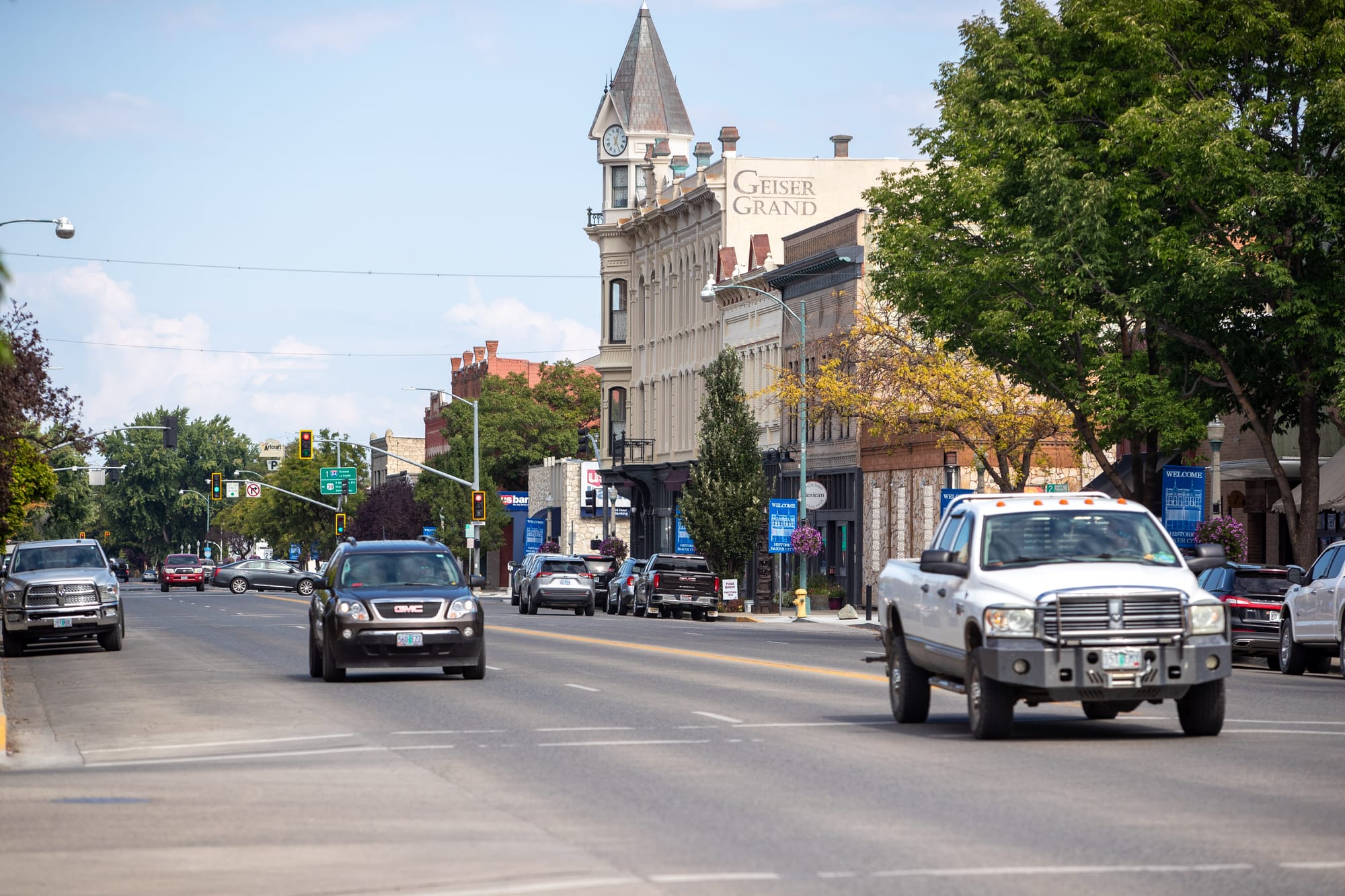
In Oregon’s southeast corner, the payments could be a boon for Malheur County, which has the highest Medicaid enrollment of any county in the state. The county has one hospital and birthing center, Saint Alphonsus Medical Center in Ontario. The next closest hospital for pregnant women to receive care is across state lines in Boise, more than 50 miles away.
Grigg, the CEO at Wallowa Memorial, said the small district hospital will likely use their share of the $37.5 million to fund existing needs, such as backpay for on-call physicians. Since the funding isn’t ongoing, Wallowa likely won’t use it to hire more staff or grow services, he said.
St. Charles Madras in Central Oregon, another hospital serving a large number of Medicaid patients, loses about $1 million each year on its labor and delivery service, said Kimberli Munn, chief nursing officer.
Munn said the hospital is considering using the payments to buy new monitors or introduce a neonatal telehealth system that would allow their clinicians to consult with outside physicians in the event of an emergency. Both options would still require alternative funding sources when the assistance runs out.
“You would need continual funding to keep it sustained,” Munn said, referring to the telehealth program.
Oregon Health Authority officials say they also plan to draw on another federal grant, the Rural Health Transformation Fund, to prevent further loss in the state’s maternity services.
The $50 billion, five-year initiative created by the “One Big Beautiful Bill” was described by Senate Republicans as a form of “immediate relief” to preserve rural health access. The Trump administration has said they intend to prioritize efforts to modernize care.
Oregon received $197 million through the fund for 2026 — a fraction of the cuts to the Medicaid program state officials are anticipating. It’s difficult to determine how much the grants will help to offset losses rural hospitals are expecting with the Medicaid changes, as implementation will happen gradually and the effects are expected to grow once the funds are spent, according to the nonprofit policy research group KFF. Federal health officials say they will assess future awards based on states’ progress towards implementing the program’s goals.
Thirstrup said the agency plans to use the dollars they put towards maternity services to experiment or expand models that incorporate other providers into obstetrics care — like midwives and family medicine doctors — as well as provide workforce development and training.
One of the first Rural Health Transformation Fund grants approved by Oregon Health Authority is a $1.2 million, two-year mobile training initiative by the Oregon Perinatal Collaborative that will give rural providers an opportunity to practice responding to maternal or neonatal emergencies they may not encounter often.
“We’re going to continue to look for any available resource we can find — federal, state or otherwise — in order to shore up these critical services,” Thirstup said.
The story you just read is only possible because readers like you support our mission to uncover truths that matter. If you value this reporting, help us continue producing high-impact investigations that drive real-world change. Your donation today ensures we can keep asking tough questions and bringing critical issues to light. Join us — because fearless, independent journalism depends on you!
— Jacob H. Fries, executive director
DonateCancel anytime.

After Isaac Berger overdosed, his mother gave hospital staff the pills she found in his room. She says it became the biggest regret of her life.

Advocates and experts say that reflects the challenges rural families have getting health and social safety net services

Emails show how Canyon County probation officers are helping immigration authorities — including making a list of foreign-born individuals

Advocates are pushing for a survivor justice law like those in other states, but a two-thirds legislative majority presents a major hurdle
After Isaac Berger overdosed, his mother gave hospital staff the pills she found in his room. She says it became the biggest regret of her life.
Advocates and experts say that reflects the challenges rural families have getting health and social safety net services

The school board said state law limits the district from taking action against the former principal, despite community demands to fire him.
Emails show how Canyon County probation officers are helping immigration authorities — including making a list of foreign-born individuals
Subscribe to our weekly newsletters and never miss an investigation.
Our work has inspired new state laws, exposed government failures and impacted local communities in powerful ways. These stories wouldn't be told without InvestigateWest, and we couldn't do it without our generous supporters.
Cancel anytime.