

Audit finds Washington agency failed to respond in time to vulnerable adult safety concerns
As Washington Adult Protective Services works through a backlog of reports, investigators struggled to hit deadlines
As Washington Adult Protective Services works through a backlog of reports, investigators struggled to hit deadlines

An InvestigateWest review found at least 30 people charged with trafficking without evidence of selling or distribution. They face mandatory minimum prison terms.

The closure of the 37-year-old Letty Owings Center comes as substance use during pregnancy has increased

As Washington Adult Protective Services works through a backlog of reports, investigators struggled to hit deadlines

Washington's Adult Protective Services was too slow to respond to thousands of reports of potential abuse, neglect or exploitation in fiscal year 2025, possibly leaving vulnerable adults without services to keep them safe, according to a new Washington State Auditor's Office report.
State law requires Washington’s Department of Social and Health Services, which oversees APS, to initiate a response within 24 hours of knowledge of a report. Reports most commonly involve concerns that a vulnerable adult is being financially exploited or isn’t properly caring for themself. But the auditor’s office found that from July 2024 through June 2025, the department didn’t initiate a response on time for over 4,000 reports, about 7% of all reports that the agency received. Responses to these reports were five working days late on average.
APS staff also didn’t document their safety and risk screenings of alleged victims on time for over a quarter of reports, with some screenings being completed a year or more late, according to the audit, which was published in September.
“When someone reports that a vulnerable adult may be experiencing abuse, neglect, or exploitation, the state has a responsibility to act quickly,” said Washington state Rep. Alicia Rule, D-Blaine, who introduced a bill in the 2026 legislative session that would have required caseload forecasts for the adult protective services system. The bill died without advancing out of committee.
Rule called the audit’s findings “unacceptable” and said that she looks forward to “a swift and complete action” from the Department of Social and Health Services, and will “stand by to support whatever they need to better protect the vulnerable.”
Department of Social and Health Services Media Relations Manager Jessica Nelson told InvestigateWest that the department has taken “appropriate steps” to address the auditor’s findings, including revising APS policy in July to require documentation of all investigative activities within five calendar days.
In its official reply to the state auditor’s office, the department said that investigators’ missed deadlines stemmed from “significant” staffing shortages and a backlog of cases created during the COVID-19 public health emergency. Although the department worked to address these issues by recruiting new staff, it noted that it takes six to 12 months for new hires to handle a full caseload.
The department promised to keep prioritizing timely responses while working to reduce the backlog, highlighting that since the audit period began in July 2024, it had already reduced the backlog of cases open over 90 days from its peak of 11,180 cases to 7,323.
 Kelsey Turner
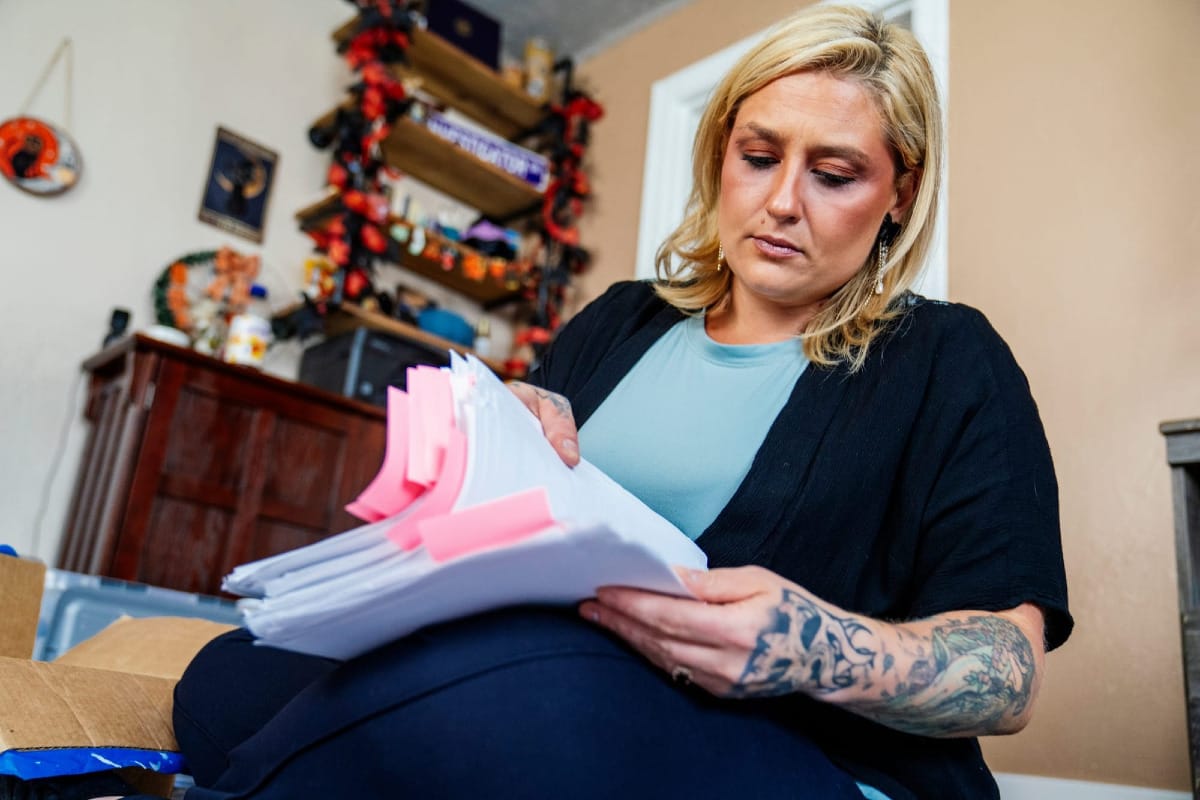
APS workers are feeling the pressure. As InvestigateWest reported in September, three days before the audit was published, workers who weren’t closing as many cases as their managers wanted said they got verbal and written warnings, leading some to quit. Some investigators felt like they were receiving little support from APS leadership to reach their deadlines and case closure goals, and worried that the department’s focus on closing cases quickly could risk leaving some vulnerable adults without meaningful protection.
“That’s not what we want,” said Washington state Sen. Keith Wagoner, R-Sedro-Woolley, who sponsored bipartisan legislation in 2023 to help improve communication between APS and law enforcement. “We want real investigations with real results.”
Because the audit found noncompliance with state law, the governor and Washington’s Joint Legislative Audit and Review Committee, a bipartisan committee that evaluates state government agencies’ effectiveness, will receive the Department of Social and Health Services’ response and plan for remediation.
Wagoner, the committee’s vice chair, said he will bring this audit to the chair’s attention. The committee’s reports and recommendations can “prime the pump for future legislation,” he said.
“Something like this, I think, would have bipartisan interest,” Wagoner said. “Nobody wants to see us not taking care of problems like this, especially the most vulnerable.”
The audit also examined the Department of Social and Health Services’ inspections of adult family homes, which are residential homes licensed to care for up to eight people. It found that as of June 2025, the department’s inspections were overdue for 68% of newly licensed adult family homes and 59% of existing ones.
The department said that the overdue inspections stemmed from insufficient staffing and a backlog after the COVID-19 pandemic, during which the department wasn’t allowed to conduct inspections, according to the department’s response included in the audit. It’s been taking steps to address the backlog, including hiring new staff and streamlining the licensing inspection and investigation processes, the department wrote.
The State Auditor’s Office will begin another audit for the department early next year to determine whether the findings are being corrected, according to the office’s communications director, Kathleen Cooper.
The story you just read is only possible because readers like you support our mission to uncover truths that matter. If you value this reporting, help us continue producing high-impact investigations that drive real-world change. Your donation today ensures we can keep asking tough questions and bringing critical issues to light. Join us — because fearless, independent journalism depends on you!
— Jacob H. Fries, executive director
DonateCancel anytime.

As Klickitat County Sheriff Bob Songer retires, candidates have distanced themselves from some — not all — of Songer's most controversial positions

Under the banner of “Dig, Baby, Dig,” the Trump administration is supercharging an already powerful mining industry. What will happen to vulnerable plants and animals?

At the same time, Adult Protective Services workers say they’re under growing pressure to close investigations quickly.

After Isaac Berger overdosed, his mother gave hospital staff the pills she found in his room. She says it became the biggest regret of her life.

An InvestigateWest review found at least 30 people charged with trafficking without evidence of selling or distribution. They face mandatory minimum prison terms.

The closure of the 37-year-old Letty Owings Center comes as substance use during pregnancy has increased

The closure of one Southern Oregon facility highlights barriers to expanding care for kids with complex behavioral health needs

A former student alleged district administrators failed to intervene and protect her from being sexually abused by an English teacher
Subscribe to our weekly newsletters and never miss an investigation.