

Oregon migrant farmworkers — increasingly relied upon — continue to face dangerous housing conditions
Overcrowding, electrical hazards, and dirty kitchens and bathrooms are some of the most common violations over the last five years
Overcrowding, electrical hazards, and dirty kitchens and bathrooms are some of the most common violations over the last five years

The state began withholding the records following a 2025 InvestigateWest series about sexual misconduct by prison staff

As Washington Adult Protective Services works through a backlog of reports, investigators struggled to hit deadlines

Overcrowding, electrical hazards, and dirty kitchens and bathrooms are some of the most common violations over the last five years

On a January afternoon, two state inspectors walked through a horse stable that housed workers for an Oregon marijuana farm and ticked off violation after violation.
They saw rats and cockroaches as they walked into the kitchen, holes in the walls, and leftover food and dishes that hadn’t been cleaned up. The bathroom had three stalls with dirty, blackened toilets, which had no doors for privacy, according to inspection documents. There were no smoke detectors or accessible first aid supplies. Outside, water accumulated behind a shower building — inviting mosquitos — and when they tested one of the shower heads, barely any water came out.
The unsanitary conditions exposed workers to illnesses like salmonella, cholera and hepatitis A, while rats and cockroaches can also spread hantavirus and E. coli. While inspectors with the Oregon Occupational Safety and Health Division only saw three workers living in the converted stable — the harvest season had ended, and most workers had gone home — they later reported that 24 workers had lived there since July 2025. A labor contractor who provided workers to the cannabis farm, owned by MNG Holdings LLC, was fined over $17,000 for the violations. Records show the contractor and farm later took steps to fix the issues flagged by inspectors. They did not respond to requests for comment.
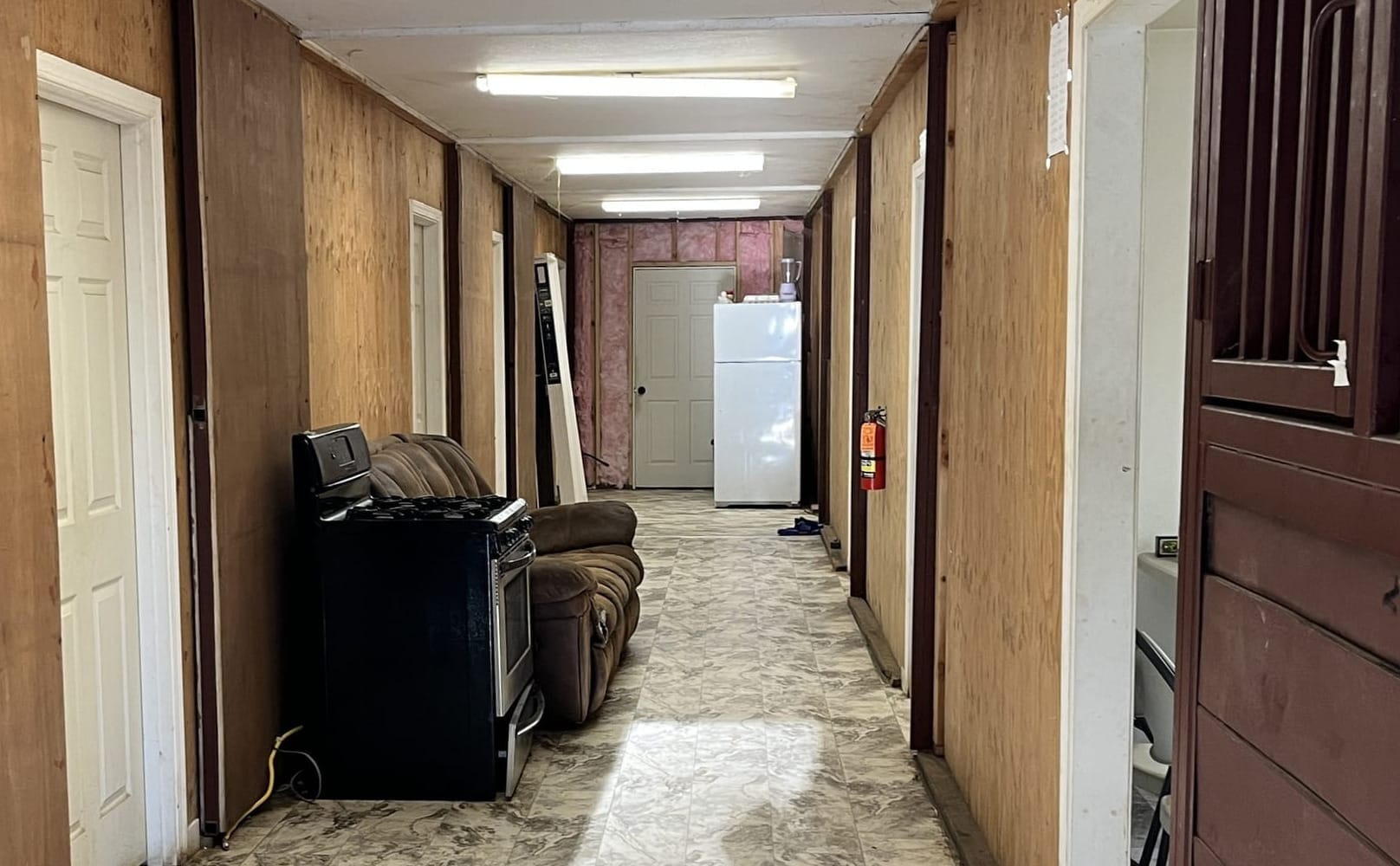
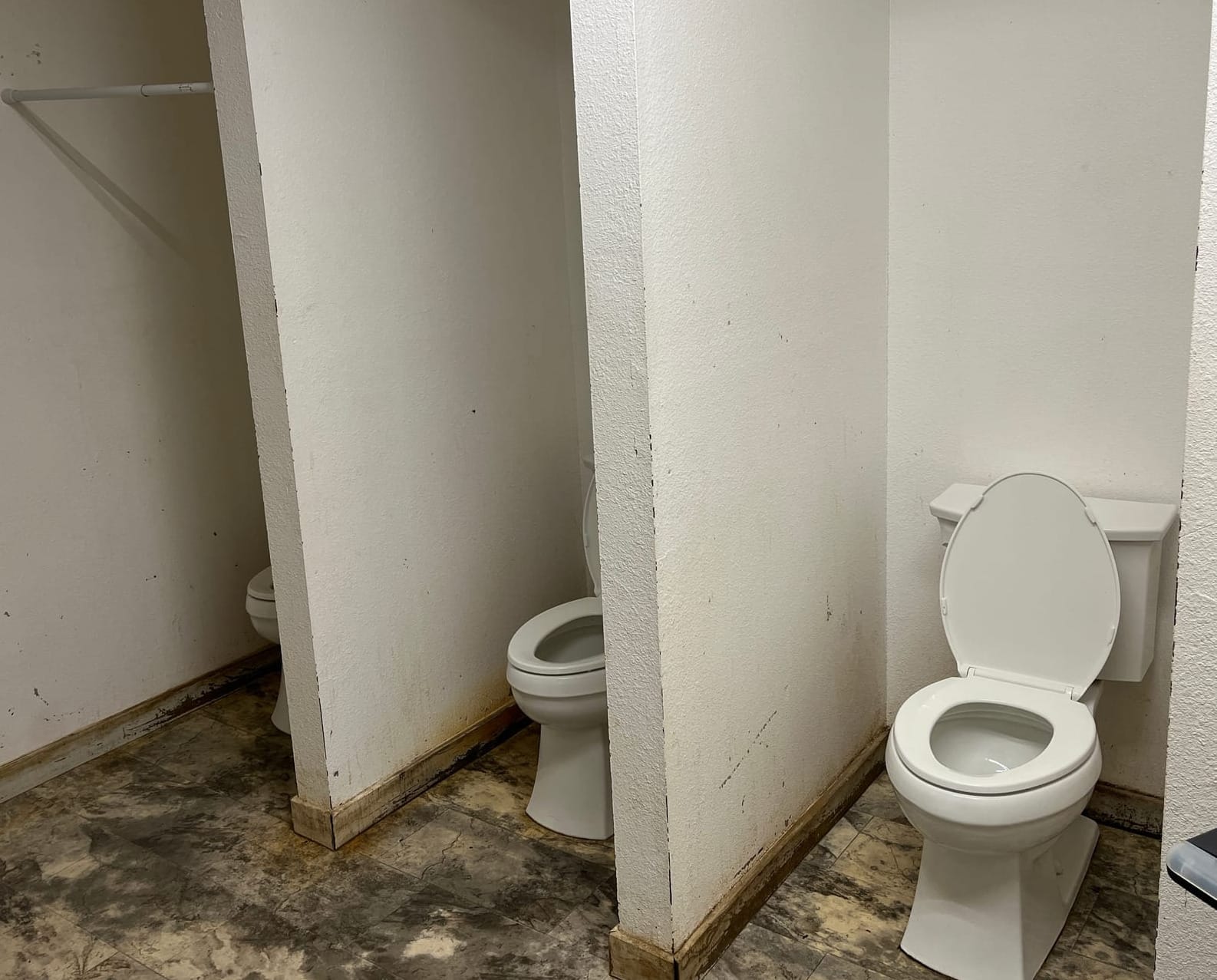
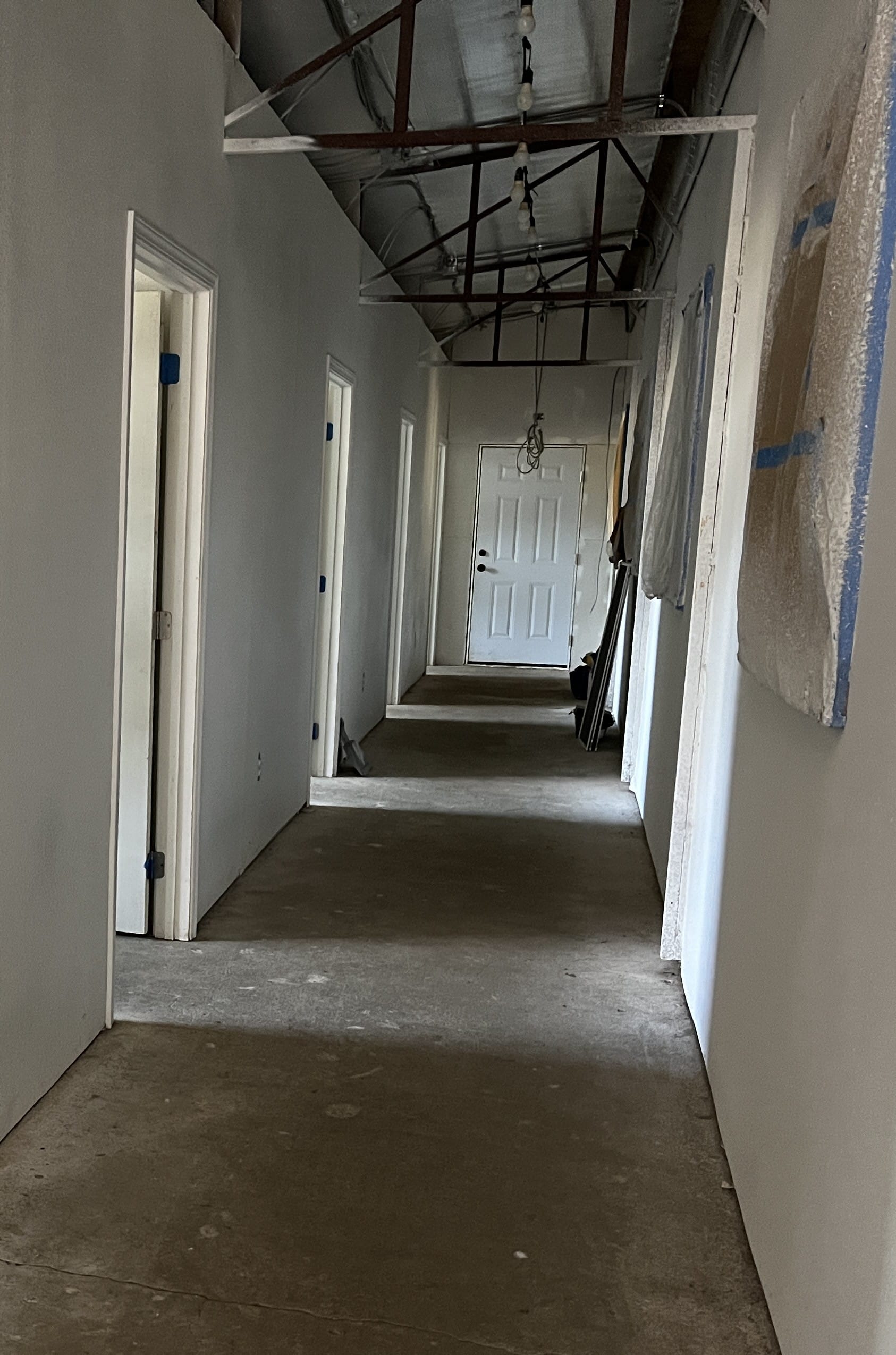
Farmworkers living in a partially-converted horse stable at a cannabis farm in Selma, Oregon faced dirty bathrooms, including showers with broken fixtures and toilets that lacked doors or curtains for privacy, according to photos from an Oregon Occupational Safety and Health Division inspection on January 16, 2026. On the right, inspectors found exposed wiring from a light fixture. (Oregon OSHA)
The Southern Oregon operation is one of dozens of growers and labor contractors that have been fined in the past five years for failing to provide workers with sanitary and safe housing as they worked planting, pruning and harvesting crops across Oregon. InvestigateWest reviewed five years of agriculture labor housing violations, which show how workers, often immigrants or foreign nationals with temporary work visas, endure overcrowded and dirty homes that lack basic amenities like toilet paper. Workers also faced safety hazards like electrical problems that could lead to shock or cause fires, but many homes were not equipped with smoke detectors or fire extinguishers. Oftentimes inspectors found these problems weeks after workers had already left for the season.
The problems underscore the persistent challenges to improve housing conditions in Oregon for the estimated 12,000 workers who live on farms, at a time when reliance on temporary seasonal workers is only growing. Amid President Donald Trump's mass deportation efforts, which have forced many undocumented workers out of the country, farmers are turning to the U.S. agriculture work visa program to fill the gap. The Trump administration has also made it easier for farmers to apply for visa workers while seeking to lower wage requirements, raising renewed concerns from advocates who for years have pushed for more protections for vulnerable workers reliant on their employers for housing, transportation and other basic needs.
“Farmworkers often live in really closed, cramped quarters, and these are places where you're going to see the spread of infectious disease,” said Dr. Eva Galvez, a family physician in Hillsboro and the chief medical officer for Migrant Clinician Network, a network of doctors who care for immigrant patients, including farmworkers.
Galvez grew up in farmworker housing on the Oregon orchard where her parents worked. She remembers being awakened most mornings by the sound of pesticide sprayers outside her window.
She feels like one of the lucky ones because her family was given their own house on the orchard, while some of her friends’ families lived in labor camps where six people often shared one room. Galvez said if she had grown up in some of the conditions she’s seen workers living in now, she may not have been able to become a doctor.
“You can't go to school, you can't focus on your education when you don't have your basic needs met,” Galvez said.
In July 2025, an Oregon OSHA inspector visited Ficher Dairy, a dairy farm in Myrtle Point, Oregon, to investigate a worker complaint about poor housing conditions.
There, the inspector found two double-wide trailers with exposed wires from light fixtures and where extension cords were being used to power electronics instead of fixed wiring. Those violations exposed workers and their families to fire hazards, burns and the risk of an electric shock —– yet none of the trailers had smoke detectors or fire extinguishers, or an evacuation and medical plan if an emergency occurred, according to an inspection report.
The conditions at the dairy farm — which faced over $30,000 in fines from that inspection, and two subsequent ones that revealed additional problems — is an example of the common hazards that Oregon farmworkers face living in employer-provided housing. InvestigateWest obtained data of all Oregon OSHA inspections between 2020 and May 2026, which includes employer-provided housing on or near farms. The data and related inspection reports show how more than 50 farms exposed workers to health and safety hazards, with electrical problems being the most common violation.
Like Ficher Dairy, which did not respond to an interview request, employers left live wires exposed in common areas and bathrooms and used extension cords instead of fixed outlets. Others placed electrical outlets in wet and damp areas without precautions, and used ungrounded power outlets that can cause electric shocks or a potential fire.
In dozens of other cases, employers also failed to provide workers with smoke detectors and fire extinguishers that they could access in an emergency. The state also found many housing units weren’t clearly marked, making it hard for first responders to find them in an emergency.
While the data did not specifically document any injuries or deaths related to housing conditions, incidents like a 2023 trailer fire in North Carolina show how housing violations can become deadly. That fire, which broke out in an employer-provided trailer, killed two Mexican farmworkers who were working harvesting sweet potatoes. The trailer was described as “barely livable,” according to reporting from InvestigateMidwest, and fire marshals said the fire may have been caused by the faulty stove. It was also unclear if the trailer had a working smoke detector that could have alerted the two workers of the fire, which started in the early morning hours.
The electrical hazards and lack of emergency equipment at Ficher Dairy were considered “serious” violations, which means they could lead to a worker’s death or bodily harm. Nearly 27% of the violations analyzed by InvestigateWest were considered serious. “Other than serious” violations made up the remaining 69%, which refers to issues that are hazardous to worker health and safety, but not likely to cause serious injury or death.
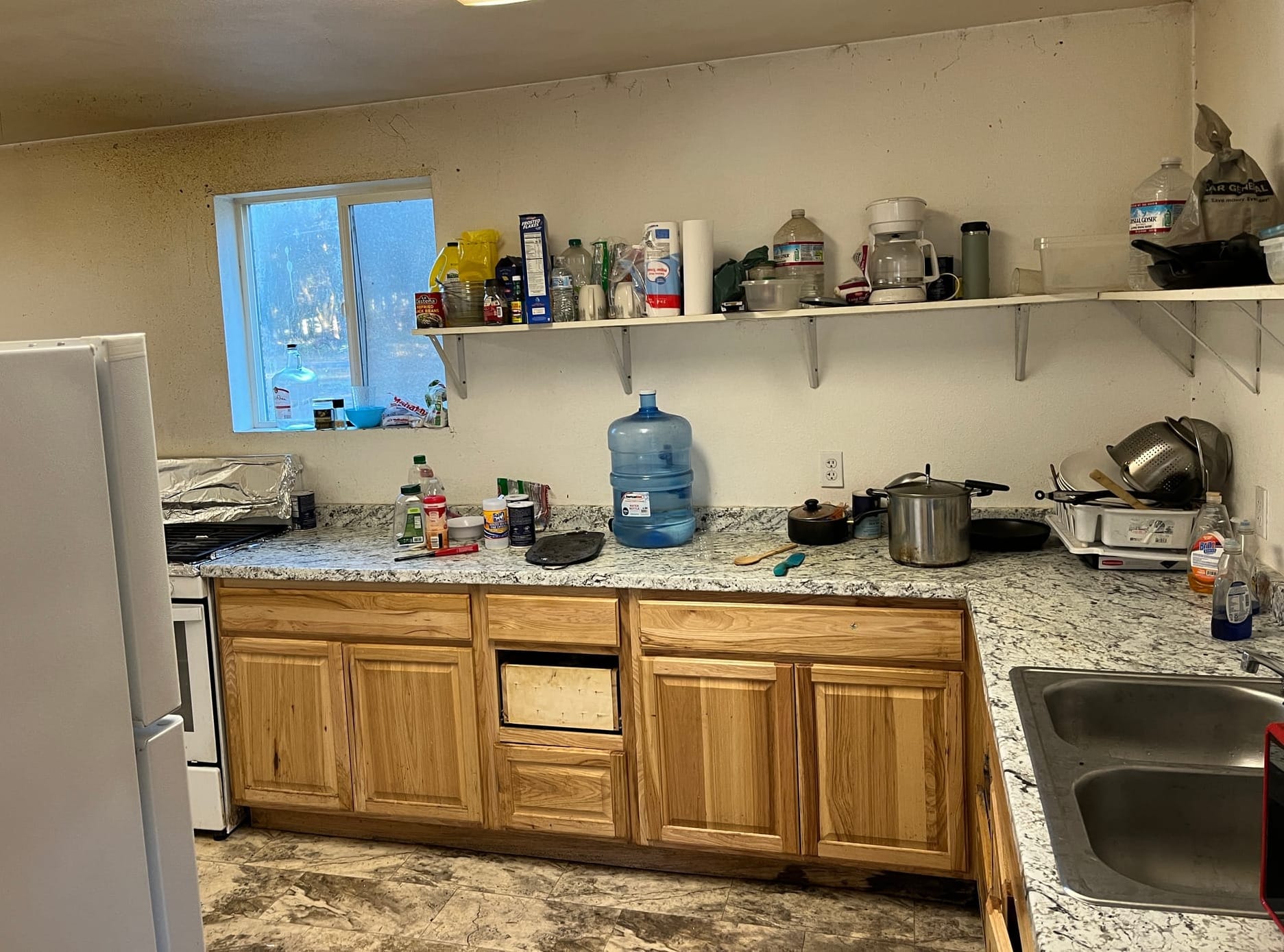
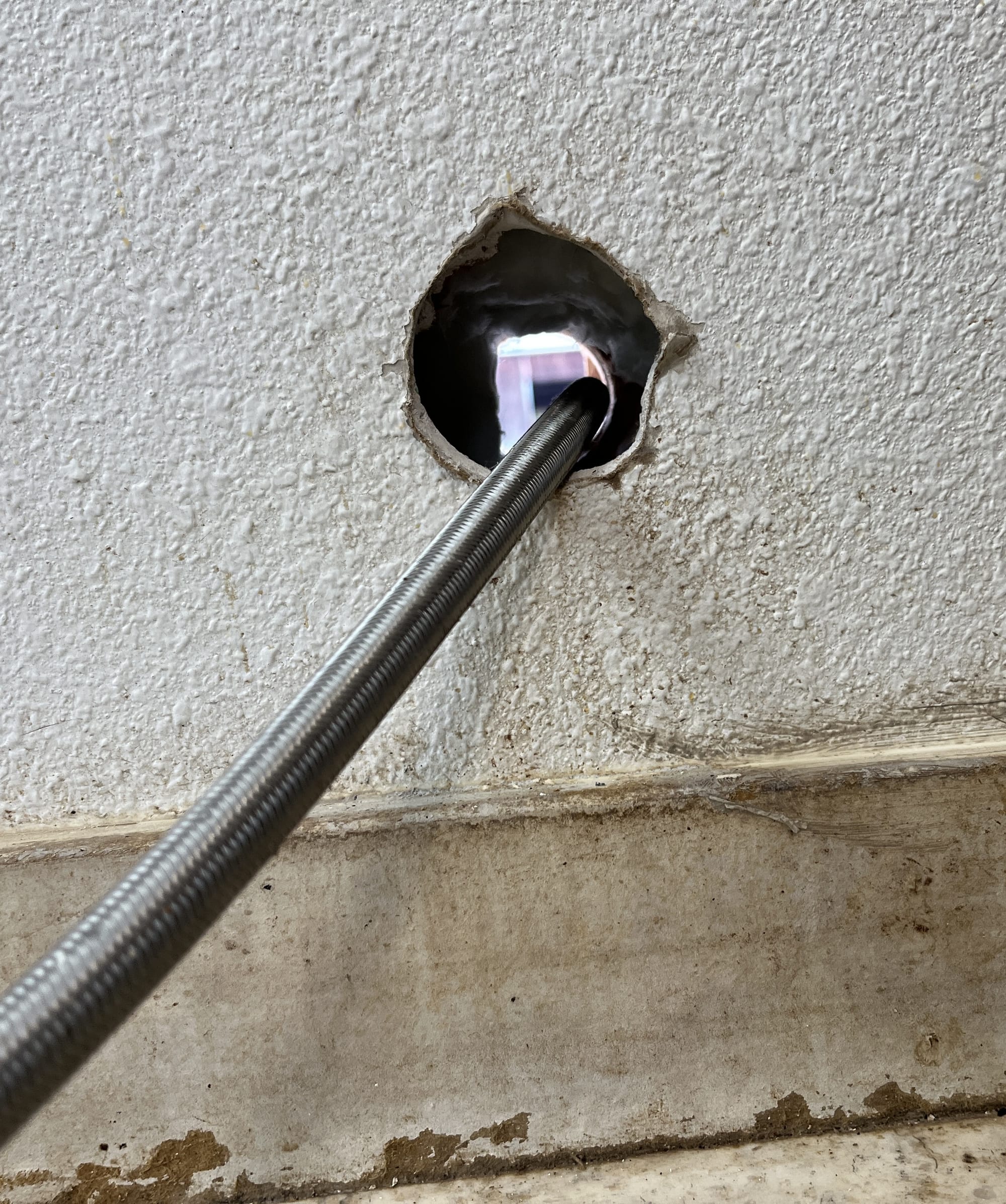
A shared kitchen for workers of a Selma, Oregon cannabis farm was not cleaned regularly, had dirty dishes and leftover food sitting out, and at least three rats “freely roaming,” according to records from a January 16, 2026 Oregon Occupational Safety and Health Division inspection. On the right, inspectors flagged holes in the converted horse stable that would allow rats, insects and other vermin into the building. (Oregon OSHA)
Aaron Corvin, a spokesperson for Oregon OSHA, said the agency focuses its limited resources on industries and situations where workers face the “greatest risk of workplace injury, illness, or death” and said the citations reflect that focus. He said most hazards identified by regulators can be fixed in “a relatively short time” and that they often work with employers to fix common issues, like electrical hazards, during an inspection.
In addition to inspecting housing units when they are first registered with the state, OSHA also regularly conducts unannounced inspections, he said.
“It is that kind of work over time —– catching and addressing those types of hazards —– that helps move employers into compliance before hazards increase,” Corvin said in an emailed response.
The number of farm housing violations spiked in 2025, according to the data, with 205 violations reported. Before 2025, OSHA found 49 violations in 2021, 59 in 2022, 85 in 2023 and 192 in 2024. Corvin could not explain the increase but said the agency conducted over 3,500 inspections in 2025 and over 3,200 in 2024, and violations fluctuate from year to year.
InvestigateWest also found the following common violations:
Blue Heron Nursery, Rios Labor and Kobayashi did not respond to requests for comment.
Oregon OSHA recently added more requirements for agricultural labor housing, and lawmakers increased workplace safety penalties —– which were among the lowest in the country. In May 2023, the Oregon Legislature passed a bill that increased the minimum penalty for a serious violation from $300 to $1,116. It also increased the maximum penalty for “other than serious” violations from $390 to $15,625. Repeat violators —– there were 11 such citations since 2020 —– can also be punished more harshly, with minimum fines increasing from $200 to $11,162.
Many of the workers living on Oregon farms are hired through a federal work visa program, making them especially dependent on their employers and reluctant to report abuse. But Oregon farmers, while still mostly employing domestic workers, have become more reliant in recent years on seasonal foreign workers through the H-2A visa program, which is administered by the U.S. Department of Labor.
In 2025, Oregon farmers employed an estimated 6,000 H-2A workers, a number that has increased steadily since at least 2021, when the visa program brought around 4,400 workers to farms. Since 2020, nearly 30,000 temporary farmworkers have come to Oregon through the program.
Farmers are also finding it harder to fill jobs with domestic workers, as many are undocumented and possibly facing deportation under the Trump administration’s crackdown. A report from the Oregon Center for Public Policy estimates that around 57,000 workers in the state may be undocumented.
Carmen Martinez, deputy policy director of Centro de los Derechos del Migrante, a nonprofit organization that supports Mexico-based migrant workers as they work jobs in the U.S., has been monitoring the growth of the H-2A visa program under the Trump administration. Federal officials have recently made it easier for farmers to apply for the program by attempting to lower the minimum wage requirement for workers and deducting housing costs from their wages. A federal judge later ruled that the changes violated federal law and ordered the Department of Labor to revisit the rule change.
“Employers are responding to the increased immigration enforcement and worrying about having enough labor to be able to continue their business as usual, and members of Congress feel like they need to respond to employers by expanding these guest worker programs,” Martinez said. “Unfortunately, most of the proposals to expand the program don't contemplate the need for additional protections, and some of them even want to cut back on protections for guest workers.”
The U.S. Department of Labor, which is in charge of administering the guest worker program, has not made significant investments in enforcement or oversight to ensure farmers are meeting the requirements of the program, Martinez said, leaving it to state agencies like Oregon OSHA to enforce state and federal requirements for housing quality. The federal program requires employers to provide workers with housing, transportation from their home countries to the work location, weekly transportation to the grocery store and application fees.
Centro de los Derechos del Migrante surveyed 100 people who had worked in the U.S. under the visa program from September 2019 to January 2020, and found all of them reported some type of violation of their rights related to wage theft or working conditions.
“We're truly very worried that the guest visa program expansion will exacerbate current issues for these workers in housing and in other areas,” she said.
In 2026, over 100 growers registered new agriculture labor housing units on or near their farms with Oregon OSHA, as required by law.
Farmworker advocates have long criticized the H-2A visa program because it ties vulnerable workers to a single employer that decides which workers can come to the U.S., whether they retain their positions throughout the season and whether they can return to work in the U.S. the following year. If a worker loses their job, they would also lose their housing. Temporary farmworkers can also bring their families to live with them under the visa program.
The COVID-19 pandemic revealed the health risks for farmworkers living in on-farm housing. They often live in overcrowded conditions, rely on packed, cramped buses to get to work, and are provided with few places to wash their hands and bathe, said Martinez. A group of University of Oregon faculty and students conducted a study in 2021, surveying 300 farmworkers in the state, about the impact of COVID-19. The study found that 15% of workers surveyed tested positive for COVID-19 and 49% had known exposure.
 Rachel Spacek
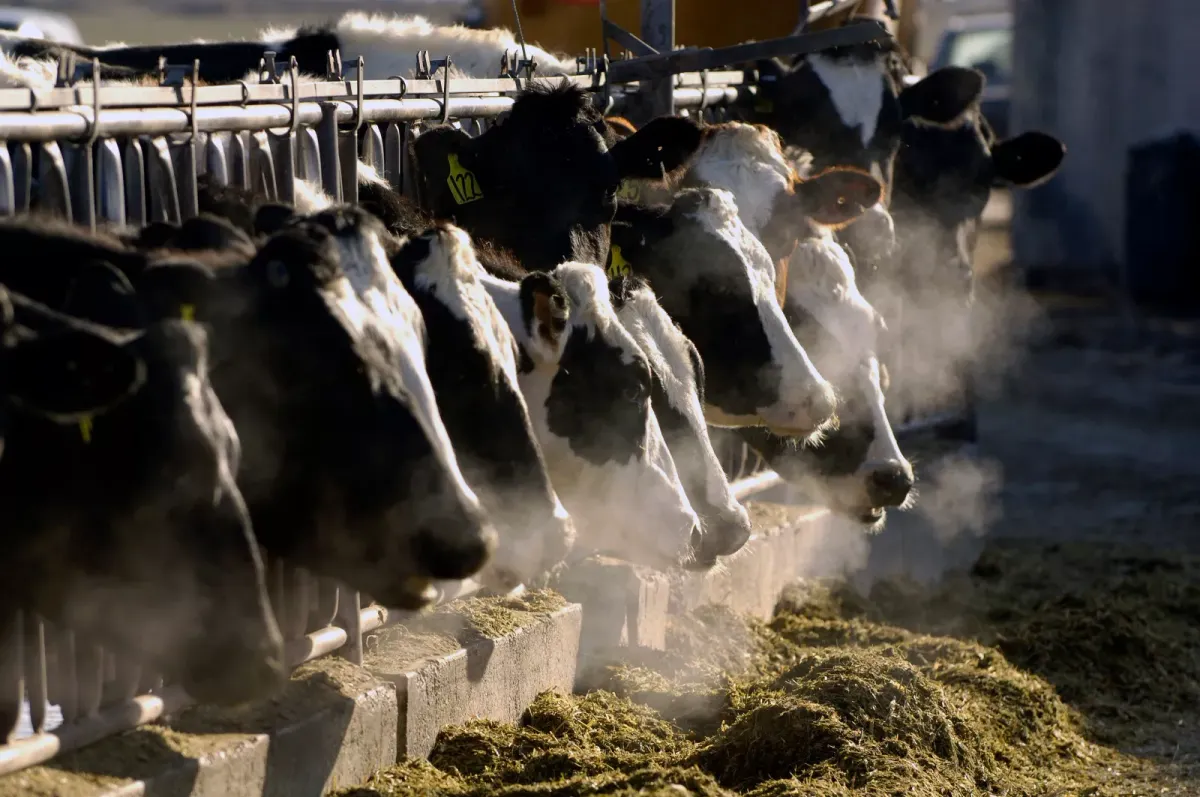
Overcrowding also affects workers’ quality of life, said Galvez.
“I've recently taken care of patients who tell me there's about 10 people living in a small living space,” Galvez said. “And sometimes what you'll see is four beds in a room, they may be divided by a curtain, but families often are spilling out into the common living space.”
Sharing bathrooms is especially a struggle for families who need to bathe their children and young people who are menstruating. She’s also met women who said they were sexually assaulted in shared bathrooms.
Galvez said preparing food in a small, shared space exposes workers to foodborne illnesses, while the limited kitchen time makes it hard to cook, so many farmworkers rely on prepared meals that lack vegetables and are high in sodium and fat. She also sees workers who struggle with their mental health because they don’t have a place to relax and enjoy time to themselves after work.
“People's individual health and their ability to manage chronic illnesses is harder when they don't have a space to cook and store food, but there's also an infectious disease risk,” Galvez said.
While the state has recently increased requirements and penalties for violators, the data shows how regulators often rely on workers and advocacy groups to discover poor conditions. OSHA issued 104 farm housing violations since 2020 that stemmed from worker complaints — about a quarter of the total violations over that time period.
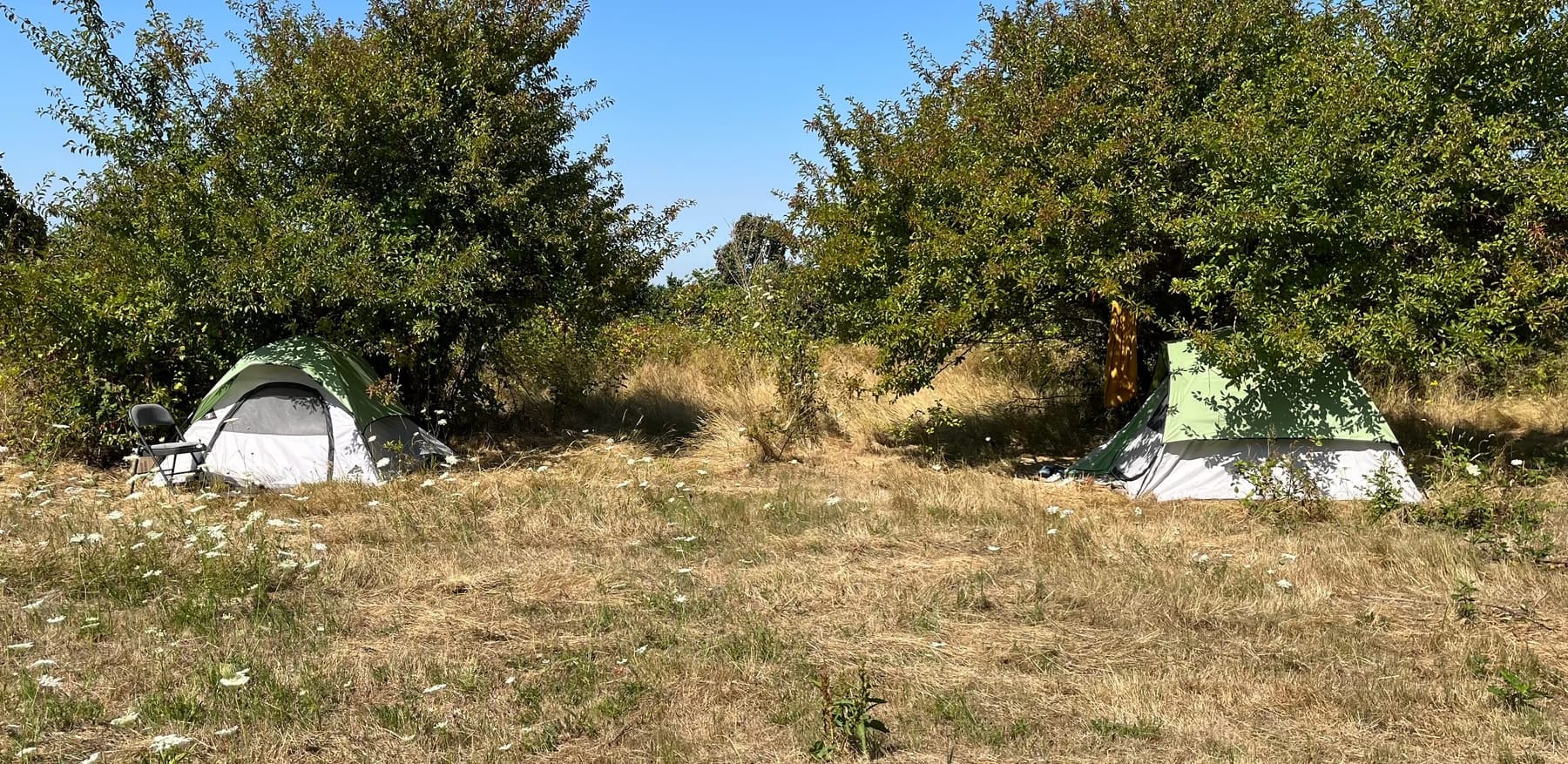
In Silverton, Oregon, a city northeast of Salem, seven farmworkers had recently begun working for a hemp grower, Jose Duran Villalobos, in August 2024. The workers were living in tents that they purchased themselves, pitched under trees next to the hemp field. They shared makeshift showers set up by their supervisor, which appeared in photos to be made of hanging black tarps. A small cabin housed three of the workers, but photos show it had a dirt floor and no insulation to protect them from the weather.
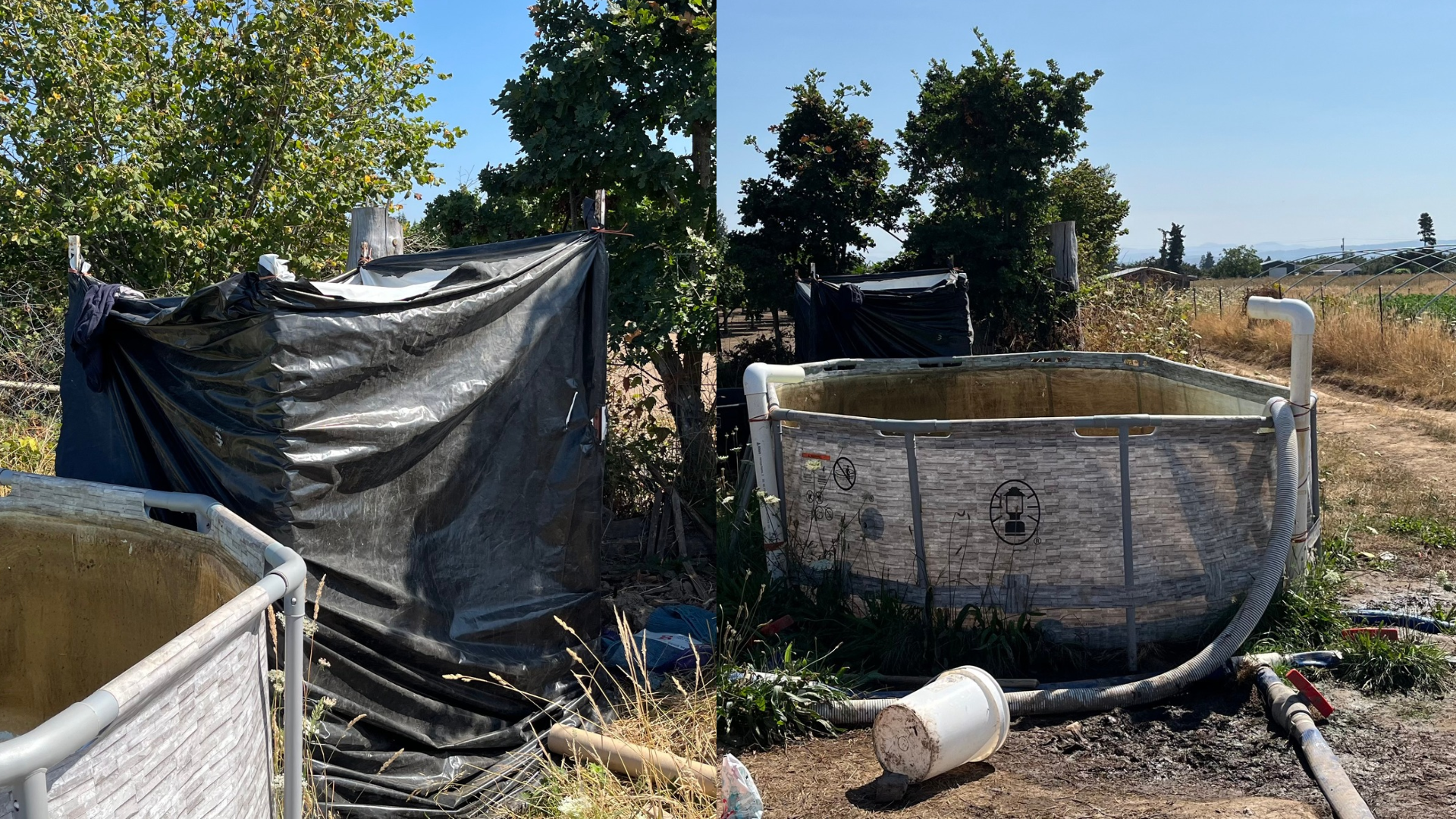
The workers, many of whom had traveled from California, should have been provided with a roof over their heads, according to state inspectors. But Villalobos hadn’t registered the housing, so OSHA didn’t know about it until an employee filed an anonymous complaint saying they were living in tents and using a makeshift kitchen and shower.
A state inspector noted that a serious injury would be “expected” for the workers who were “exposed to possible elevated heat, contact with rodents, flies and mosquitoes along with unsanitary conditions.” But OSHA only issued one citation for the failure to register housing, resulting in a $3,000 fine. The workers didn’t report injuries or illness from their living conditions, and lived in the tents for less than a month, according to the inspection report, which noted the camp was disbanded and the workers found their own place to rent. Villalobos, who paid his fine, did not respond to an interview request.
Corvin later said OSHA considers the likelihood that a violation will cause an illness or injury, and in this case the inspector decided that if the grower had properly registered the housing, the hazards would have been corrected before workers could move in, which is why they issued a citation for the unregistered housing.
Illegal camps are one of regulators’ biggest challenges because they aren’t on the state’s radar to begin with, and are often run by illegal marijuana grows that subject workers to deplorable conditions. Oftentimes regulators may never discover the illegal growers and they dismantle their operations at the end of the grow season.
In those situations, OSHA relies on complaints and advocates to hear about bad conditions, Corvin said. OSHA receives around 2,000 worker complaints per year.
If workers don’t speak up, “these violations go unnoticed,” said Ira Cuello-Martinez, policy director for Oregon’s largest farmworker union, Pineros y Campesinos Unidos del Noroeste (PCUN). But he said complaints are rare because of the power imbalance between workers and their employers.
Last year Oregon lawmakers passed a law making both farmworker labor camp operators and landowners liable for any farmworker housing on their land that violates license and compliance laws.
Farmers have long pushed back against new state regulations related to farmworker housing, saying they can’t afford the necessary improvements to comply with new rules.
Jenny Dresler, a spokesperson and lobbyist for the Oregon Farm Bureau, said the violations show that the system is working — when OSHA receives complaints, they investigate them. Dresler believes the majority of Oregon farmers are trying to comply with state rules and provide workers with safe homes, and she blamed “bad actors” who operate substandard, unregistered housing.
Advocates like Galvez say, in the absence of better enforcement and more regulations, vulnerable farmworkers will continue to face poor, unsafe living conditions.
“When you toil in the fields, using your back every day in the heat, and you start doing that when you're 12 or even 20, it catches up to you,” Galvez said. “So my patients who have done this all their life, they get to be around 60 and their bodies are exhausted.”
She recalled one farmworker she saw recently at a mobile health clinic who told her: “We leave our health on the fields.”
“It’s true, farmworkers leave their health on the fields, and in return, we could at least get fair housing, safe housing,” Galvez said. “They leave their health on the fields to feed us and our families.”
The story you just read is only possible because readers like you support our mission to uncover truths that matter. If you value this reporting, help us continue producing high-impact investigations that drive real-world change. Your donation today ensures we can keep asking tough questions and bringing critical issues to light. Join us — because fearless, independent journalism depends on you!
— Jacob H. Fries, executive director
DonateCancel anytime.

Newsroom staffers tell InvestigateWest and RANGE that concerns about Curley’s leadership festered until his August suspension — weeks before the paper was set to transfer to his nonprofit

As crews continue to work through hazardous conditions, company and government officials say it’s too early to know what might have caused the implosion in Longview that killed 11 people.

Workers say exposure caused serious health issues including a hospitalization and a miscarriage

An extremism watchdog group said the sheriff’s rhetoric about immigrants is “disturbing” and could fuel violence

The state began withholding the records following a 2025 InvestigateWest series about sexual misconduct by prison staff

As Washington Adult Protective Services works through a backlog of reports, investigators struggled to hit deadlines

An InvestigateWest review found at least 30 people charged with trafficking without evidence of selling or distribution. They face mandatory minimum prison terms.

The closure of the 37-year-old Letty Owings Center comes as substance use during pregnancy has increased
Subscribe to our weekly newsletters and never miss an investigation.