Newsroom staffers tell InvestigateWest and RANGE that concerns about Curley’s leadership festered until his August suspension — weeks before the paper was set to transfer to his nonprofit
A suicide follows scores of red flags, a toxic culture dogs agency, and a slow response to MMIP ‘emergency’ — the year in investigative reporting in Oregon
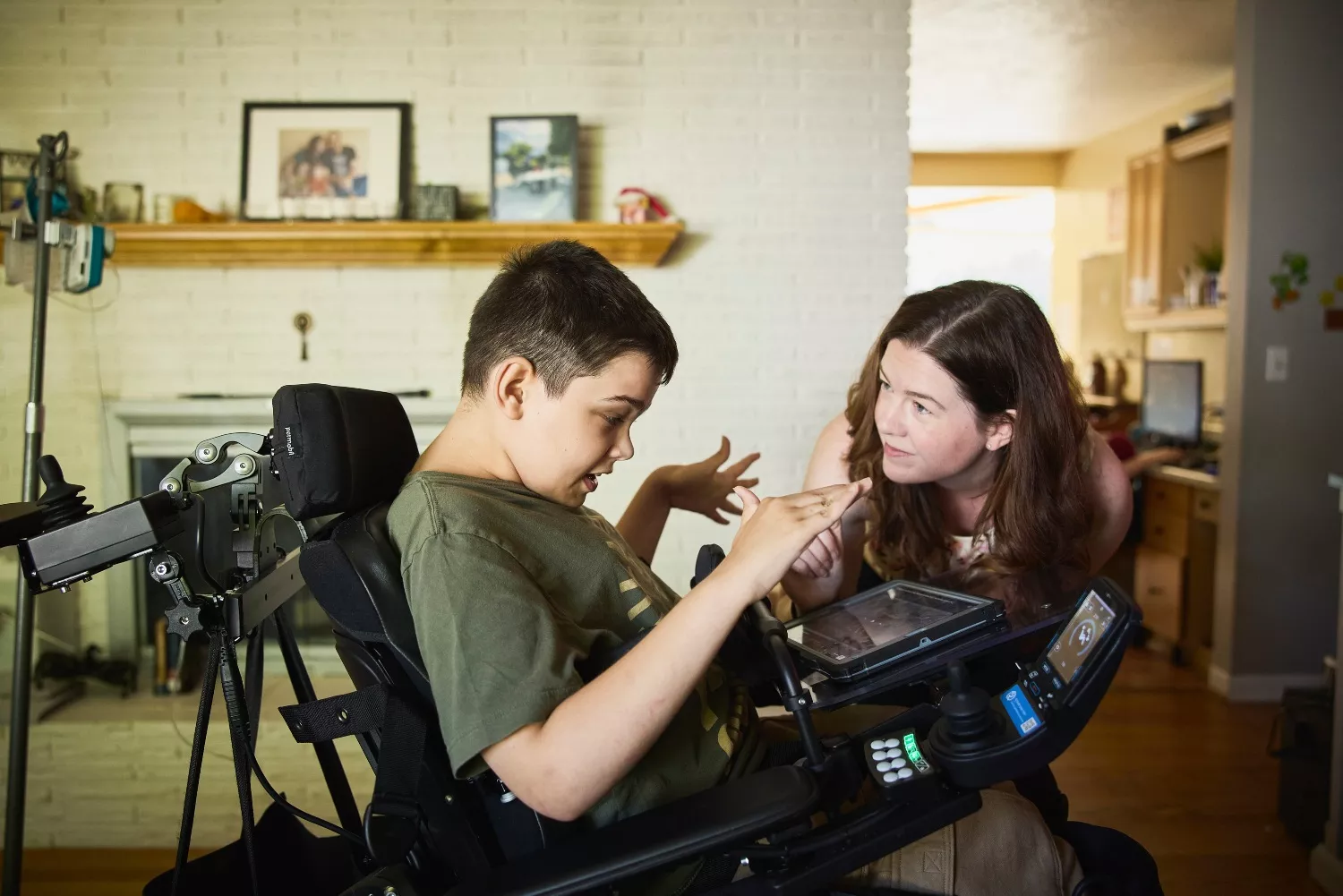
Shasta Kearns Moore administers fluids through a feeding tube to her son Malachi, who requires daily medical care after being born prematurely at 29 weeks. Malachi has had outside care workers, but says he prefers his mother to care for him because she knows him best. (Leah)
It was a good year for accountability in the Pacific Northwest, as InvestigateWest published major investigations and deep-dive journalism on issues affecting people across the region. Here are five stories out of Oregon that we broke in 2024.
Mementos at Antoni’s funeral commemorated the IronMan races she participated in, her time riding the summer parade circuit with her Shetland pony, Shorty, as a child, and the Cabbage Patch dolls she once played with. Credit: Kaylee Tornay/InvestigateWest
When Pamela Antoni took her own life at her apartment in Bend, it followed repeated calls to police and crisis teams — from her friends, neighbors and Antoni herself. Reporter Kaylee Tornay delved deeply into Antoni’s life and the circumstances preceding her death, examining how isolated people who are reluctant to accept help can slip through even a robust crisis-response system and detailing the profound quandary faced by first responders: At what point is it right to force someone who might harm themselves to receive help?
Despite some improvement since the pandemic, Oregon’s supply of early learning is much lower than families need. Eighteen of Oregon’s 36 counties are “child care deserts” for preschool, meaning 33% or fewer children in the county have potential access to a spot, according to the latest data. Credit: Lydia Ely/InvestigateWest
In December 2022, an employee in Oregon’s Early Learning Division wrote an email to the incoming governor, outlining allegations of offensive comments, passive responses to complaints of racism in child care settings, and a “racist environment” that was driving away managers of color. Reporter Kaylee Tornay found that it was far from the first such complaint about the division — at least a half-dozen other workers raised similar concerns, saying the agency culture was leading to high turnover and compromising the efforts to provide education and care for children statewide. A subsequent state audit reinforced some of InvestigateWest’s findings, and called for improvements in the system.
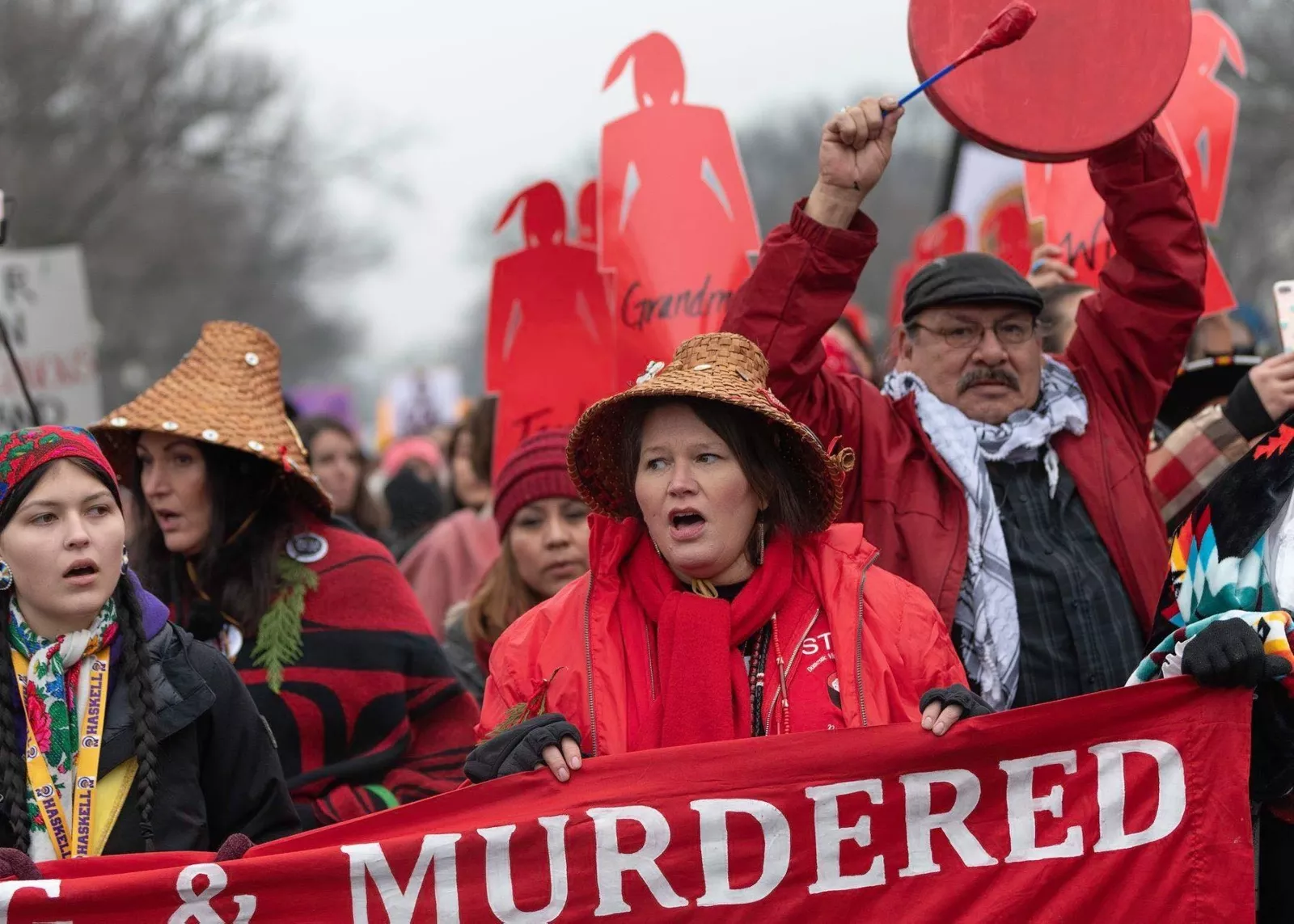
Carolyn DeFord, whose mother vanished 25 years ago from her home in La Grande, Oregon, has become a vocal advocate for improving the investigative response to the crisis of missing and murdered Indigenous people. Credit: Courtesy of Carolyn DeFord
Five years ago, Oregon’s Legislature declared the crisis of Missing and Murdered Indigenous Women a statewide emergency, and passed the first-of-its kind bill to launch an investigation into the crisis, improve communications among police agencies and produce a report detailing the problem. Reporter Melanie Henshaw checked in on the progress in the intervening years and found that there have been reports, recommendations and photo ops — but little progress on the main recommendations of the legislation.
Shasta Kearns Moore and her son Malachi watch a video together in their home near Portland on Sept. 13, 2024. Credit: Leah Nash / InvestigateWest
Parents of children with severe disabilities face steep challenges in providing care for their kids, and Oregon lawmakers attempted to provide them some support by creating a historic new Medicaid program to pay them for some of the time they spend caregiving. But far more families qualify for the Children’s Extraordinary Needs waiver than the program can cover, reporter Kaylee Tornay found, meaning hundreds of parents face a yearslong wait and a continuing dilemma: Do they keep seeking outside help that the state will pay for, which is in short supply, or continue to provide the care themselves, unpaid?
Tribes nationwide don’t receive much federal money to support their early learning and child care programs — less than $600 per child on average each year through the federal child care subsidy. Credit: Lina Kivaka/Pexels
Indigenous families face shortages of access to early learning and childcare programs — a problem that Oregon’s new Tribal Early Learning Hub aimed to address. Legislators created a committee, composed of representatives from the state’s nine federally recognized tribes, and tasked it with designing the program and allocating funds. But after 14 months of meetings and $2 million in allocations, plans for the hub collapsed, with committee members saying there was no way to make it work in a way that would honor each tribe’s sovereignty, InvestigateWest’s Kaylee Tornay reported.
The story you just read is only possible because readers like you support our mission to uncover truths that matter. If you value this reporting, help us continue producing high-impact investigations that drive real-world change. Your donation today ensures we can keep asking tough questions and bringing critical issues to light. Join us — because fearless, independent journalism depends on you!
The webinar will give practical guidance for editors on how to manage and edit an investigative story
What happens when local news disappears? Polluters pollute more. Governments become less accountable. Entire communities are left in the dark.
Since 2009, InvestigateWest has been building something the Pacific Northwest desperately needed: a nonprofit investigative newsroom — and the civic infrastructure to spread accountability journalism across the region.
Newsroom staffers tell InvestigateWest and RANGE that concerns about Curley’s leadership festered until his August suspension — weeks before the paper was set to transfer to his nonprofit