

Idaho Legislature passes bill to expand prison sex abuse law
The bill, inspired by InvestigateWest reporting, is awaiting Gov. Brad Little’s signature
The bill, inspired by InvestigateWest reporting, is awaiting Gov. Brad Little’s signature

Minimal oversight of court investigators makes it difficult for parents to challenge flawed reports without risking damage to their cases

Recent court rulings show how ICE is citing missed immigration check-ins — often without evidence — to detain asylum seekers

In 2025, Washington federal courts granted petitions challenging detention more than half the time

On a residential street in North Portland, they seized a man just leaving his home for the morning, who'd spent more than two decades in the country. He spent 70 days in detention before his release.
They seized five children in Oregon, twice, even though a federal judge later said immigration authorities had “articulated no reasons” for doing so the second time.
They seized a father who was late to an appointment in the family's asylum case and showed up just after the office closed. The man, a mechanic with a work permit, had spent the night before caring for his sick kid. He spent the next 22 days in detention.
These detentions by federal immigration officials are described among 388 habeas corpus petitions, which are court filings that challenge the legality of a person’s detainment, that were filed in Washington federal court in 2025. With most immigrants across the region being sent to Washington for detention, InvestigateWest reviewed judges’ orders in every habeas case that was resolved last year to get a snapshot into how President Donald Trump's deportation campaign is sweeping up people who have lived in the U.S. for years, have U.S. citizen family, and built careers and communities here.
Despite the president’s purported focus on deporting criminals, the review sheds light on the extent to which Immigration and Customs Enforcement agents in the Pacific Northwest are disregarding the constitutional rights of immigrants, most of whom have no criminal record, as they carry out his marching orders. Washington federal judges ruled last year that more than 100 immigrants were being held in violation of their due process rights, InvestigateWest has found. Many people who were seized by authorities spent weeks and months locked up, upending their lives, traumatizing their families, and fueling fear in immigrant communities across the region.
Federal judges in Washington are ruling that the government has violated immigrants’ due process rights in more than half of cases so far. But the rulings have not deterred the Department of Homeland Security from spending millions on detention beds and attorneys.
Of the 141 habeas cases filed and closed in Washington state last year, courts granted nearly 60 percent, ruling that the immigrants in detention should either be released or given a hearing in front of an immigration judge. Many petitions filed at the start of 2025 took weeks to months for courts to resolve — with one case taking up to seven months — though most of those cases were complex and often involved individuals with a criminal history. In the second half of the year, after DHS adopted a new mandatory detention policy in July, most of the people seeking habeas relief had no criminal record, and courts were able to process petitions in a few weeks to a month. Most were granted.
“It would be safe to say the majority of people, by far, are the types of people with literally no criminal history whatsoever,” said Northwest Immigrant Rights Project attorney Aaron Korthuis, who said the organization has filed 20 to 40 habeas petitions per week toward the end of 2025. “Many of them are people who have lived here for years, many for decades.”
A detention center in Tacoma, Washington, the only such facility in the region, is also notorious for its poor conditions and mistreatment of people who are detained there, Korthuis said.
“People who have been living here for years and decades, abiding by the law, are now being treated as prisoners at a high-security facility and are oftentimes quickly demoralized by what is clearly unlawful lack of freedom,” Korthuis said.
Here are more takeaways from InvestigateWest’s review:
Before President Trump began his immigration enforcement campaign to deport 1 million undocumented people per year, it was far less common for an undocumented person with no criminal history to be detained while their immigration case proceeds, according to immigration attorneys and experts.
Immigration courts previously held bond hearings where a judge would assess certain factors — like whether a person was a danger to the public or flight risk — that would justify detention. But since July 8, the government has taken the stance that anyone who is present in the country illegally is subject to mandatory detention and ineligible to be released while their immigration case proceeds, even if they have been in the country for decades.
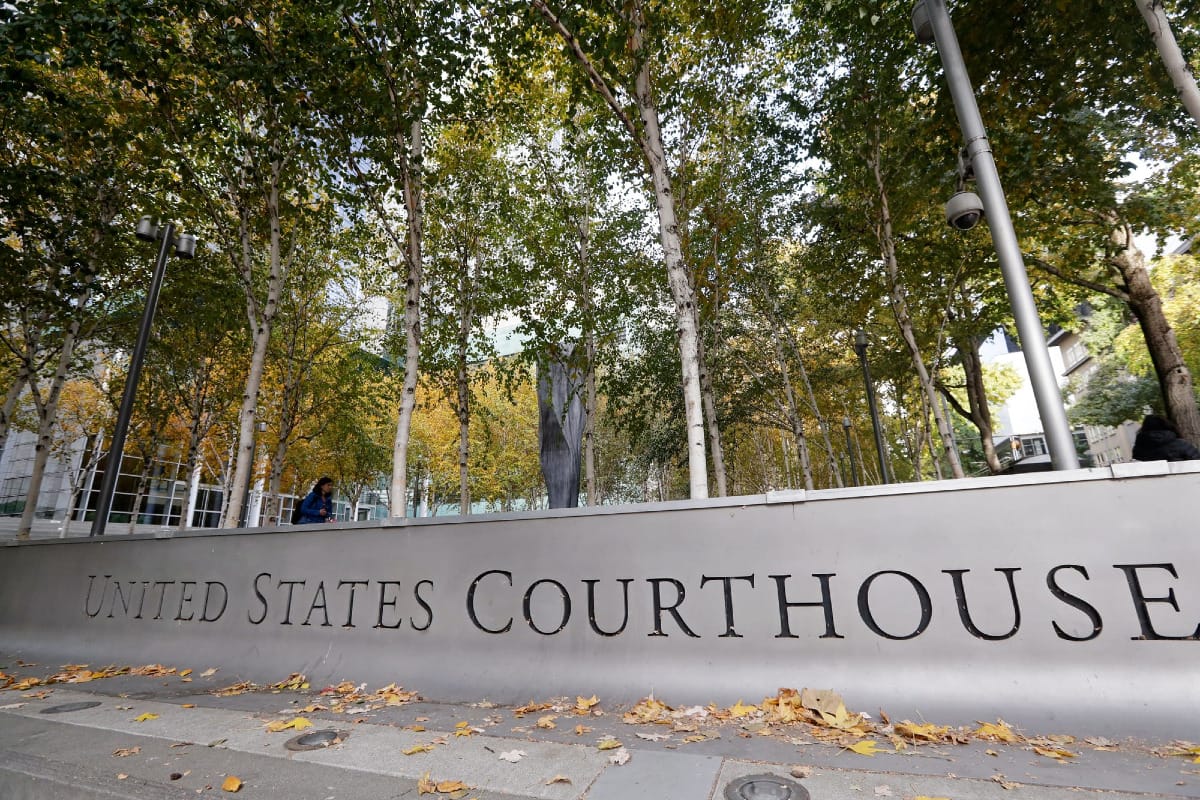
The vast majority of federal judges across the country have ruled the policy of holding people indefinitely violates their due process rights. The ability to challenge the government’s authority to hold someone in detention through a writ of habeas corpus is a fundamental constitutional protection. Enshrined in the U.S. Constitution and implemented through federal law, the right allows people in custody — including undocumented immigrants — to ask federal courts to review whether their detention is lawful. The court orders that InvestigateWest analyzed show how many immigrants are now turning to federal courts as a last resort to get out of detention.
Across Washington, Oregon and Idaho, federal courts saw far fewer habeas petitions filed by immigrant detainees in 2023 or 2024. Washington saw just 43 habeas petitions filed in 2024 and 23 filed in 2023. Those numbers spiked starting in 2025, with 388 petitions filed, according to data from the U.S. District Court for the Western District of Washington. Of those cases, 246 remained open as of February and 141 were closed last year.
Of the 141 cases that were resolved, courts granted 86 petitions — or 59 percent.
“Across the country in the overwhelming majority of these cases, the courts are saying what the immigration service is doing is illegal,” said Robert Pauw, an immigration lawyer in Seattle.
Washington judges denied or dismissed 55 cases. Many of those cases involved a person apprehended at the border while crossing illegally. In those situations, federal law says they can be automatically detained, and judges typically conclude that the Department of Homeland Security has the discretion to decide if someone should be released while they go through immigration court proceedings.
The government can also detain people determined to be a “danger to the community” or a “flight risk.” In at least nine cases, petitioners had legal status, but because of their criminal convictions, the government stripped their status and ordered them deported. That was the case for one man from Nigeria who served time for a conspiracy to commit money laundering in Utah, according to records from his habeas case.
In at least 20 cases, people agreed to voluntary deportation during their detention or were transferred out of state to other detention facilities, resulting in a loss of jurisdiction for the court.
Unlike the Western District of Washington, the federal court based in Seattle, the Oregon District Court hasn’t been flooded with habeas petitions, said U.S. District Judge Michael McShane, Oregon’s chief judge, in an email.
“If ICE officers detain a person for deportation in Oregon, they are taken to the detention center in Tacoma,” McShane said, noting that the Oregon federal court can only hear a case if it’s filed before the petitioner is transported across the border into Washington. “As you might imagine, it is only those individuals who anticipate detention, and already have a lawyer in the wings, who can get a petition filed quickly.”
Subscribe to our weekly newsletters and never miss an investigation.
According to court data, 55 habeas cases were filed in Oregon federal court in 2025. Oregon county jails are barred from holding immigrant detainees solely for an immigration charge, and the ICE facility in Portland is supposed to only be used for processing, not for overnight stays, according to the city’s website. ICE officials plan to build a temporary holding and processing center in Newport, Oregon, according to court filings.
McShane said the Trump administration’s focus on deportations also appears to have reduced criminal caseloads. Defendants who qualify for community release on their criminal charges are then being picked up by ICE, the judge said. And while there were initial concerns that charges for illegal reentry into the United States would sharply increase, McShane said that is not happening in Oregon.
“The truth is, I handled many more illegal re-entry cases under the Obama administration. The current administration seems much more intent on deportation numbers,” McShane said.
 Rachel Spacek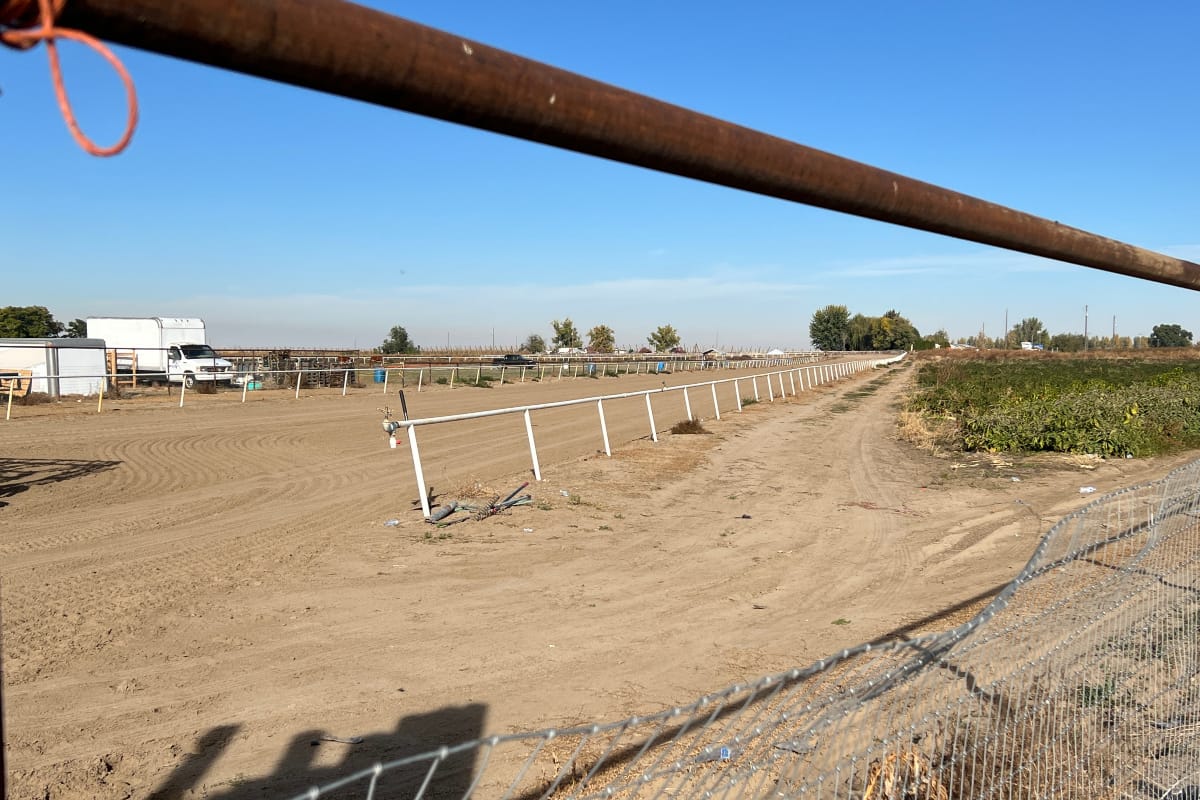
Idaho also doesn’t have a long-term ICE detention facility, but the state allows jails to hold ICE detainees, though many end up in Tacoma or Las Vegas for detention. In Idaho, 24 habeas cases were filed in 2025. Seventeen of those cases were filed by people who were detained in a joint ICE and FBI raid of a horse race track in Wilder, a rural farming community in southwest Idaho. A judge released 15 of those individuals pending future immigration proceedings, while two petitions were withdrawn.
The number of habeas petitions filed in Washington continues to climb. More than 100 new petitions were filed in January 2026 alone, according to court data.
At the start of 2025, the Trump administration said ICE agents would be targeting “the worst of the worst” for deportations. While many of the petitions filed toward the beginning of 2025 were on behalf of immigrants who had criminal convictions, as the year went on, the petitions show ICE began sweeping up immigrants with no criminal record who had well-established lives in the U.S.
Their petitions also reflect ICE’s tactics of seizing people in the community as they went about their lives.
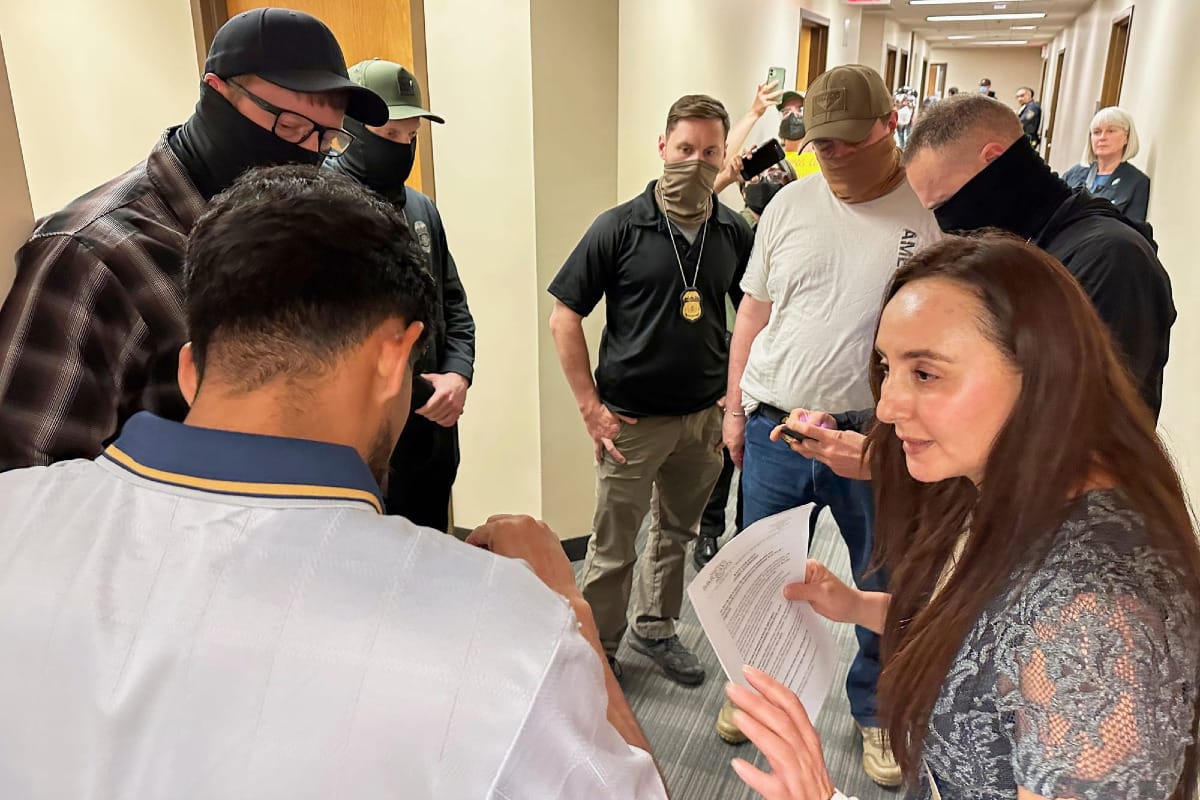
A man from Afghanistan who arrived in the U.S. in December 2023 with his wife and two children — and had a pending asylum case — told a Washington court that masked agents swarmed his car while he was waiting in the parking lot of the Portland grocery store where he worked as a cashier.
Michael Purcell, a Portland immigration attorney, said a number of his clients were detained at grocery stores or while leaving their apartments. One client was flagged through her license plates and detained while leaving a Winco supermarket.
He was able to get her out of the Tacoma ICE facility after filing a habeas petition, but even so, she spent weeks away from her daughters, he said.
“The people that are affected by this are absolutely petrified and frightened,” Purcell said. “And that is a deliberate situation by ICE. It is not an overreaction, that's intended to be that way.”
One woman from Venezuela, who sought asylum from political violence, was detained by ICE agents outside her friend’s apartment in Kent, Washington. She had been apartment hunting with her friend, looking for places she could afford on her salary as a house cleaner. The woman, who had previously escaped being trafficked by a gang in Chicago, according to her petition, spent three months in ICE detention.
In her order, U.S. District Judge Tiffany Cartwright slammed the federal government for their actions in the woman’s case.
The woman, identified only by her initials, “escaped domestic human trafficking, and pieced together a living through cleaning jobs only to be arrested by masked agents who neither offered nor had any legal basis for her arrest,” she wrote.
Cartwright also said the woman was “fortunate” to have found a pro-bono attorney to take her case.
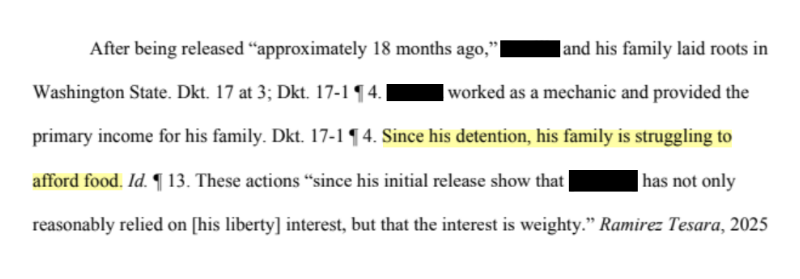
Many immigrants told federal courts that their detention cost their family weeks and months of lost income, while hiring an attorney can cost thousands of dollars. Being away from family and medical care also takes a toll on their mental state and desire to continue to fight their detention in court, advocates and attorneys said.
Some petitions have also complained about the conditions in detention facilities. A U.S. legal permanent resident originally from the Philippines, who was detained over a rape conviction that he previously served time for, told a Washington court that the Tacoma detention facility has minimum staffing and “meals are irregular and nutritionally lacking,” requiring him to purchase additional food from a commissary with prices marked up. On multiple occasions, the man said the drinking water was brown or yellow. ICE didn’t contest his claims about the conditions in that case, according to an Aug. 7, 2025, order for his release.
Korthuis said fear of indefinite detention in these facilities has led many people to give up on their cases and agree to be deported by ICE before they realize that their detention is likely unlawful.
“There's still a whole bunch of people that don't realize their rights are being violated and are giving up their cases,” Korthuis said. “And that's exactly what the government wants … [it’s a] flagrant and disturbing disrespect for the rule of law, and one that should trouble every single person in this country.”
The U.S. Attorney's Office in Seattle referred all of InvestigateWest’s questions about habeas petitions to the Department of Homeland Security, but said they don’t track how much it costs to argue against each petition. The Department of Homeland Security did not respond to requests for comment for this story.
As immigration authorities began holding more people in custody who had never committed crimes and who had been in the U.S. for years — two factors that typically justify temporary release — courts have started granting petitions more quickly. That means less time people had to spend unjustly detained — after likely already spending weeks or months in detention before they were even able to file a petition.
During the first half of 2025, when more immigrants with complex cases and criminal records were filing petitions, it took the Washington federal court an average of 100 days to resolve a habeas corpus petition, according to InvestigateWest’s analysis. During the second half of the year, the time between when a petition was filed and granted decreased to an average of 33 days.
Even when people have criminal convictions or face deportation orders, federal judges said the government can’t detain them indefinitely.

One man originally from Jamaica was detained by ICE after he finished serving a five-year sentence for robbery in California, a conviction that was later vacated. The man, who became a legal permanent resident in 2012, languished in detention for 20 months as agents tried to deport him.
He challenged his time in detention in September, and three months later a Washington federal judge ruled that “his detention without the possibility of a bond hearing has become so prolonged” that it violated his due process rights.
In a number of cases, judges ordered the release of individuals after finding that, while their initial detention was justified, their deportation isn’t likely to happen in the foreseeable future.
In one December order, U.S. District Judge Lauren King ordered the release of an Indonesian national who faced a decades-old removal order and later received Deferred Action for Childhood Arrivals status, which he had let expire. The judge said the man, who lived in the U.S. for more than 30 years, had already spent 10 months in detention and ICE couldn't hold him indefinitely when it had offered no evidence that it was actively trying to remove him.
In an effort to reduce how much time it takes to resolve a habeas petition, the Western District of Washington issued an order in December allowing magistrate judges, judicial officers that have some but not all of the powers of district court judges, to hear the petitions.
The Department of Homeland Security did not respond to questions about how much the agency’s deportation push is costing the public. But if older estimates of the cost of detention remain true, it likely cost the government millions last year to hold people that courts ultimately ordered released.
According to reporting from Marketplace, a public media outlet covering business news, ICE spent an average of $187.48 to hold an adult in detention per day in 2023, according to documents provided by the agency to Congress. Last summer the daily population at ICE detention facilities was 36,804, which by 2023 estimates cost $6.9 million per day, according to the news outlet.
Reporting from CBS News, which obtained an internal DHS memo, found ICE had 73,000 people in detention as of mid-January. By 2023 estimates, that would mean the federal government is paying over $13.6 million per day to detain people.
 Rachel Spacek
In Idaho, the only state in the Pacific Northwest that allows local jails and sheriff’s offices to hold ICE detainees, it costs around $146 to house an inmate per day, according to Ada County Sheriff Matt Clifford.
In Ada County and in most county jails in Idaho, people who were arrested on local charges and found to be undocumented can be held for up to 48 hours before ICE has to pick them up. Jails in Elmore and Kootenai counties have special agreements that allow them to hold ICE detainees for longer periods of time. The federal government typically reimburses the county $122 per day to hold federal inmates, according to Kootenai County Jail Commander Jeremy Hyle.
The state of Idaho has also set aside $300,000 a year for Idaho State Police troopers to assist ICE agents in transporting people from state custody to federal detention facilities.
“The U.S. Attorney's Office, I think, is overwhelmed with the number of habeas petitions that we have filed right now, and that is the product of the fact that their clients are disregarding the law,” Korthuis said. “It is costing the government a whole bunch of taxpayer money to detain people that they shouldn't be.”
The story you just read is only possible because readers like you support our mission to uncover truths that matter. If you value this reporting, help us continue producing high-impact investigations that drive real-world change. Your donation today ensures we can keep asking tough questions and bringing critical issues to light. Join us — because fearless, independent journalism depends on you!
— Jacob H. Fries, executive director
DonateCancel anytime.

Recent court rulings show how ICE is citing missed immigration check-ins — often without evidence — to detain asylum seekers


Many undocumented immigrants arrested at an Idaho racetrack are being detained in Nevada and other states, making it harder for attorneys and family to find them

Share your story with InvestigateWest reporter Rachel Spacek

The bill, inspired by InvestigateWest reporting, is awaiting Gov. Brad Little’s signature

Minimal oversight of court investigators makes it difficult for parents to challenge flawed reports without risking damage to their cases
Recent court rulings show how ICE is citing missed immigration check-ins — often without evidence — to detain asylum seekers

The independent probe will look into “systemic failures” detailed in InvestigateWest series
Subscribe to our weekly newsletters and never miss an investigation.