

Idaho passes law reforming youth treatment home oversight
The changes come in response to 2023 InvestigateWest series highlighting gaps that put child safety at risk


The changes come in response to 2023 InvestigateWest series highlighting gaps that put child safety at risk

While Idaho sheriffs opposed attempts to make ICE cooperation mandatory, nine of the state’s 44 counties have joined the 287(g) program

More training and limiting the scope of investigations could improve how domestic violence and child abuse are handled in custody cases

The changes come in response to 2023 InvestigateWest series highlighting gaps that put child safety at risk

A bill recently signed into law by Gov. Brad Little will boost Idaho’s oversight of youth residential treatment homes and create a “youth bill of rights” meant to protect kids in those facilities from abuse.
The reforms come roughly 2 ½ years after InvestigateWest’s “Cruelest Lie” series exposed child abuse and neglect at such facilities, which state officials took minimal action to prevent or stop.
House Bill 723, signed by Little on March 26, requires state licensors to conduct an annual unannounced inspection of each youth treatment home that include interviews with randomly chosen residents. The state’s child welfare agency also must develop a “youth bill of rights” — distributed to each child and their legal guardian upon admission to these homes — that outlines a clear process to report complaints and contact the child abuse reporting hotline. And it mandates that each licensed youth home report critical incidents such as suicide attempts, use of physical restraint, hospital visits or abuse allegations to the state starting in July.
The changes closely align with recommendations from a June 2025 report by the Idaho Office of Performance Evaluations. Prompted by InvestigateWest’s reporting, lawmakers ordered the independent government watchdog agency to examine oversight gaps of Idaho’s roughly 30 children’s residential care facilities.
“It certainly addressed a lot of the recommendations we made and a lot of the gaps that we found,” said Ryan Langrill, director of the Idaho Office of Performance Evaluations. “Establishing the youth bill of rights was something we explicitly recommended. Creating oversight for treatment of kids in residential care is something we recommended that hadn’t been addressed before outside of foster care.”
 Wilson Criscione
The bill had no fiscal note, and its sponsor, Rep. Marco Erickson, R-Idaho Falls, said he crafted it in consultation with the Idaho Department of Health and Welfare, which assured him the legislation would not require additional staffing capacity. Some of the statutory changes, such as the annual unannounced inspections of facilities, have already been implemented by the department since 2023. Before then, facilities were notified ahead of time of annual inspection dates, allowing programs to potentially hide problems.
Erickson said he wanted to make sure that the changes were written into Idaho code regardless, saying it “directs them a little bit more to do what they already were doing.” Asked how the bill might impact the department’s current practices, a spokesperson told InvestigateWest simply that “the Legislature sets policy and DHW implements it. DHW will implement HB 723 no later than July 1, 2026.”
Some Republican Idaho lawmakers pushed back on the bill, wondering if parental rights would be impacted or if the unannounced inspections — standard in states like Utah and Montana — would violate Fourth Amendment protections against unreasonable search and seizure. The bill passed the House with 42 in favor, 25 against and three lawmakers absent, before overwhelmingly passing the Senate with only three “nay” votes.
“I was very happy about it,” Erickson said. “We put three years of work into that.”
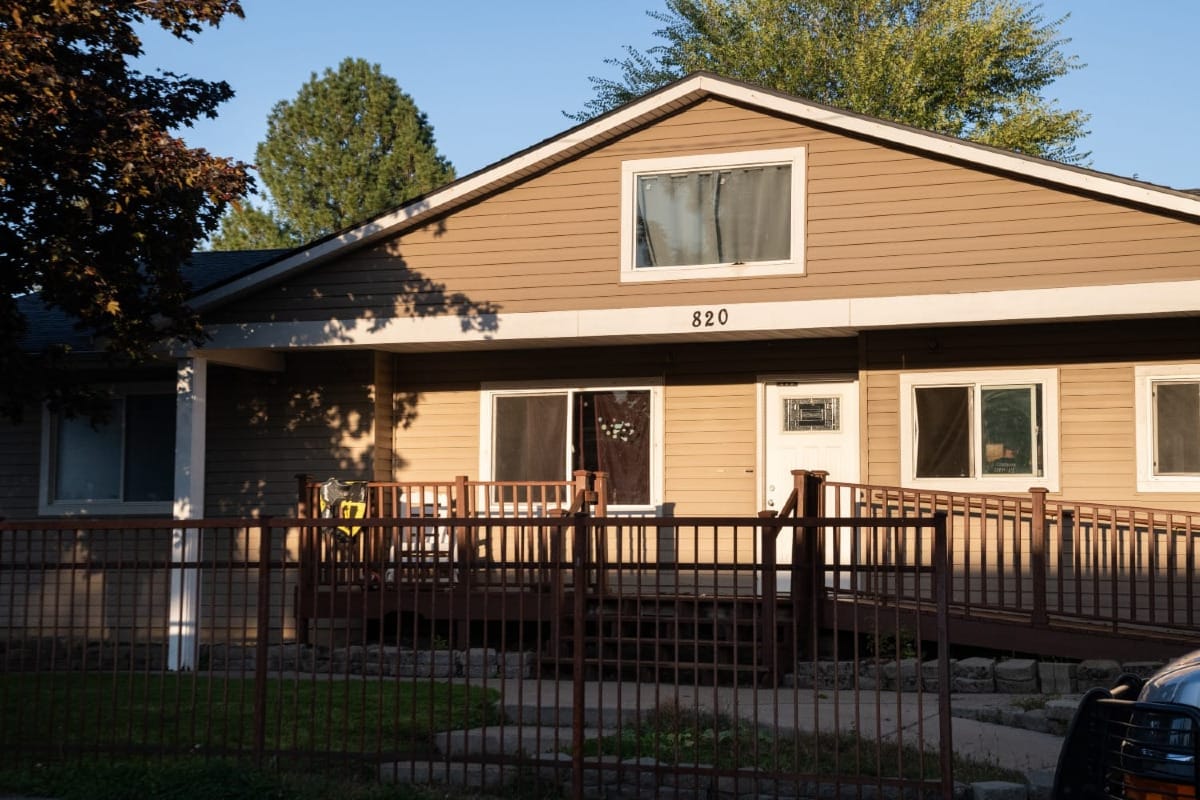
Lawmakers plan to keep monitoring the state’s oversight of youth facilities. The Office of Performance Evaluations will release another report in June evaluating how the department has implemented their recommendations, many of which are no longer optional under Erickson’s bill.
Importantly, the office has been monitoring how the state penalizes facilities for violations. In 2023, InvestigateWest found that the Department of Health and Welfare had no record of shutting down any youth treatment facility by revoking its license despite serious violations risking child safety. One facility, Cornerstone Cottage, was the subject of several investigations alleging child abuse and neglect, including one in which a staff member had admitted to raping a child who’d been sent there after experiencing sexual trauma in her past. Cornerstone Cottage shut down voluntarily months after InvestigateWest’s reporting.
The department created a risk assessment matrix in 2024 meant to help staff decide when to issue enforcement actions. But in September, the Idaho Health and Social Services ombudsman called out the department for failing to penalize facilities that place kids at risk.
Langrill said his office’s report in June should offer more insight into the gaps remaining.
He added that someone in charge of treatment oversight can’t just “flip a switch” with a whole new set of standards.
“A lot of times, the bill is the easy part,” Langrill said, “and the implementation is the hard part.”
The story you just read is only possible because readers like you support our mission to uncover truths that matter. If you value this reporting, help us continue producing high-impact investigations that drive real-world change. Your donation today ensures we can keep asking tough questions and bringing critical issues to light. Join us — because fearless, independent journalism depends on you!
— Jacob H. Fries, executive director
DonateCancel anytime.

Prompted by InvestigateWest reporting, state officials tout changes but say enforcement of violations by youth homes remains a challenge

Report by Idaho Office of Performance Evaluations came in response to news articles by InvestigateWest that uncovered abuse allegations

Lawmakers cite InvestigateWest series that revealed abuse, neglect at youth facilities

Advocates express relief but push for greater oversight of facilities statewide

While Idaho sheriffs opposed attempts to make ICE cooperation mandatory, nine of the state’s 44 counties have joined the 287(g) program

More training and limiting the scope of investigations could improve how domestic violence and child abuse are handled in custody cases

Former residents of one of Oregon’s largest homeless encampments say they lost cars, work tools, irreplaceable family photos and other items

The bill, inspired by InvestigateWest reporting, is awaiting Gov. Brad Little’s signature
Subscribe to our weekly newsletters and never miss an investigation.