

Bill to establish statewide oversight of jails in Washington dies in Legislature
Washington is one of 12 states without enforceable state standards or oversight — that won’t change in 2026
Washington is one of 12 states without enforceable state standards or oversight — that won’t change in 2026

If you cover criminal justice in the Pacific Northwest — or want to — we’re hosting a free virtual training that may be useful to you and your newsroom

A searchable teacher misconduct database compiled by InvestigateWest fills gaps in the state’s public-facing records

Washington is one of 12 states without enforceable state standards or oversight — that won’t change in 2026

The most recent attempt to pass legislation that would create an independent statewide jail oversight body has faltered after facing opposition from law enforcement groups and city and county officials.
Washington is one of 12 states without enforceable statewide jail standards or oversight, according to state data and corrections oversight experts. Senate Bill 5005 would have changed that, but a watered-down version that had removed all but one mention of the word “oversight” from the original bill language died in the Ways and Means Committee. State Sen. Rebecca Saldaña, the bill’s chief sponsor, said the bill’s latest version was “as skinny as it gets,” but that it was a step toward establishing an independent body to oversee the state’s local jails amid what Saldaña calls a “really horrific number of injuries and deaths.”
“I think a lot of people understand the problem, but there’s not the political will,” the Seattle Democrat said.
In recent years, people have died in Washington jails — some in fights or at the hands of guards, others while experiencing severe symptoms of opioid withdrawal, and others who died by suicide after not receiving adequate prevention measures. The state lacks minimum care standards for overdose and suicide prevention. Reporting by InvestigateWest highlighted the 2023 deaths of two citizens of the Confederated Tribes of the Colville Reservation inside the Okanogan County Jail as they detoxed from opioids, six years after a Department of Corrections audit highlighted significant safety issues inside the facility that went unaddressed.
Nearly 80% of people held in the state’s jails are awaiting trial, and a majority report mental or physical health conditions, data shows.
“Washington is very much in the minority here” in its lack of oversight of jails, said Michele Deitch, an incarceration oversight expert who directs the University of Texas Prison and Jail Innovation Lab.

Before dying this session, Senate Bill 5005 mentioned “oversight” 17 times, but the substitute bill mentioned it just once, when naming a proposed “health oversight agency” for the purposes of records access. It also removed a requirement that jails be inspected every three years.
The measure was ultimately amended to remove any mandatory inspection requirements and instead create a council that would study jail issues. Though both versions would promote “humane conditions” and reform — instead of an “oversight board” to “ensure transparency and independent oversight” as in the original bill — the new version would instead create a “jail council” to “promote jail transparency” and “reduce the exposure of jails to litigation.”
The bill’s efforts to establish state oversight were met with opposition from groups like the Association of Counties, which said in testimony to the Legislature in January 2025, when the bill was first introduced, that it didn’t necessarily oppose the bill’s policy goals but thought its provisions were “overly burdensome.”
Similar pushback came from groups like the Washington Association of Sheriffs and Police Chiefs, which said it did not oppose the establishment of some statewide standards, but that it opposed how SB 5005 would “go about reaching those goals.”
“We want the people in our jails to be well, we want to be part of that solution, this, in our view, is not the way to do it,” James McMahan, WASPC’s policy director, testified in January 2025.
The group’s list of legislative priorities for 2026 include the establishment of statewide minimum standards of care for people in jail and emphasizes that the state should pay for the cost to local governments to meet new requirements. A WASPC representative declined to be interviewed for this story.
“WASPC supports safety in jails, through standards and assistance based on best practices, state and federal statutes, and court decisions. These voluntary standards are similar to the American Correctional Association, National Commission on Correctional Health Care, and others,” WASPC Executive Director Steven D. Strachan said in a written statement to InvestigateWest.
Oversight advocates say that enforcing statewide standards and care requirements jails is fiscally prudent.
“Not having oversight exposes cities and counties to significant litigation,” said Deitch, the national corrections expert. “It would make sense for them to reduce their exposure through the establishment of oversight.”
Washington once had statewide jail oversight. Between 1981 and 1987, the Washington State Corrections Standards Corrections Board — whose members included the state’s attorney general, state legislators, prosecutors and the director of the Department of Corrections — inspected jails on a yearly basis, collected population data and enforced standards first established by the Legislature in 1979.
“We did something really great 40 years ago when we created the oversight board,” Saldaña testified before the Health and Human Services Committee last year. “It really did improve conditions for the workers and for the people incarcerated in our jails.”
In 1987, over the objections of law enforcement and civil rights groups, state lawmakers dissolved the board and folded its functions into other agencies, and left the establishment of standards to individual counties and cities.
But in 2022, only 10 of the state’s 50 adult jail facilities had produced standards when the state attorney general’s office requested them for a 2023 legislative report on jail standards. Among those 10, seven had written the standards prior to 1995. Four jails acknowledged they had no formal standards or were unable to locate them, the report said.
“It makes common sense to reestablish standards,” Saldaña said. “A lot of things are structural, but there’s so much that can be done in terms of culture, of practice, of peer understanding, by having some oversight and accountability.”
Families of those who have died in jail and legal experts have said the absence of oversight leads to problems with facility upkeep, conduct of jail staff and unaddressed inmate health concerns.
“The better investment is in jail reform — that’s how you reduce state liability,” said Gabriel Galanda, a citizen of the Round Valley Tribe and Indigenous rights attorney in Seattle whose firm represents the families of women who died in the Okanogan County Jail and others.
“They need to invest in public safety reform,” he said.
Advocates for Native Americans have repeatedly called on the state to limit its use of solitary confinement in jails and prisons and to establish minimum care standards for people who use opioids and to prevent suicide. Data from the Washington Department of Corrections shows that Native American, Black and Latino people are placed in solitary confinement at disproportionate rates. A separate 2020 study on Washingtonians who have been placed in solitary confinement shows it causes “irreversible psychological damage” and an increased risk of self-harm and suicide.
The Affiliated Tribes of Northwest Indians, which represents the interests of 54 federally recognized tribal nations, called on the state of Washington to establish those standards in a 2024 resolution. Data from Washington Department of Health puts Native Americans in Washington at five times higher risk of dying from complications of opioid use and at the highest risk of dying by suicide.
Media reporting has found hundreds of deaths in jails across the Northwest since 2008 — but despite a 2019 investigation on jail deaths in the region highlighting a lack of state data accounting for jail fatalities, only Oregon has since expanded data tracking inside its jails. A separate 2019 report from Columbia Legal Services, a nonprofit legal group, found that among 210 inmates who died in Washington jails between 2005 and 2016, the majority did so within the first two weeks of their incarceration, often with substance use or mental health playing a factor.
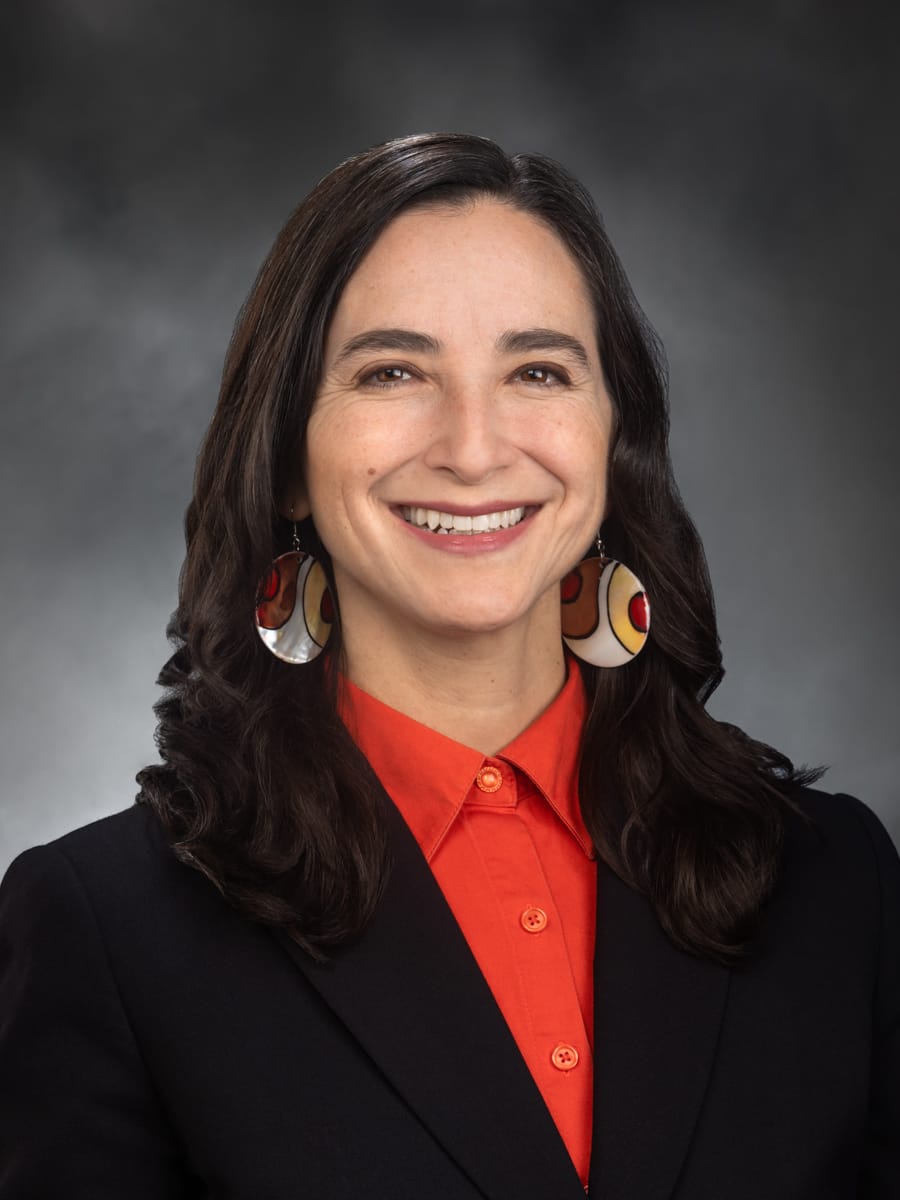
Saldaña says what exists now is a “patchwork” of standards, and that some jails are “better than others” when it comes to getting medications or allowing inmates to experience detox from substances “in a humane way.”
“Too often people leave our jails in worse conditions than when they came in,” she said.
Counties are also paying out millions of dollars each year to settle lawsuits brought by the loved ones of people who have died in the state’s jails. In January, Kitsap County and its jail medical provider, NaphCare, agreed to pay out $2.75 million to the family of Nicholas Rapp, who died by suicide in the Kitsap County Jail in 2020. NaphCare recently pulled out of several Washington jails, including in Spokane, Lewis and Cowlitz counties, citing in part “unreasonably large civil verdicts,” according to a statement by the company.
Joleen McKinney, the mother of a Colville woman, LaCrisha Cate, who died in the Okanogan County jail in 2023, echoes calls for more oversight.
“I want some kind of law they have to abide by, not just do whatever they want,” McKinney said. “I don’t want it swept under the carpet with all these people dying there.”
Deitch, the University of Texas corrections expert, said many of the provisions removed from SB 5005 are critical to maintaining a functioning oversight agency, like the transparency that comes with mandatory inspections.
“That’s not an oversight body,” Deitch said. “It sounds like it has very little authority, other than maybe to produce reports.”
Deitch said that functional oversight bodies need to be independent and have enforcement responsibilities. She added that it’s important for the oversight agency to be focused on the rights, concerns and needs of people who are incarcerated in the facilities they oversee, rather than focusing solely on reducing liability for a jail.
Deitch consulted with the Washington Joint Legislative Task Force on Jail Standards that was formed in 2023 and produced a report on the topic.
When it came to SB 5005 this year, funding concerns were an issue, said Saldaña, who also served on the jail standards task force. The bill’s estimated cost of almost $9 million was a barrier, given the state’s growing budget deficit, and was also cited by counties concerned with the eventual cost of modifying or updating their jail facilities, which would come out of county budgets.
Saldaña says her conversations with county officials and law enforcement are ongoing, as are talks with family members and those most impacted by incarceration. Saldaña is leaving office after the current term ends and returning to work at a county-level, a decision she says is partly out of a desire to better understand county officials’ concerns and promote interest in jail oversight at that level.
“They should not be dragging their feet on this issue,” Saldaña said.
The story you just read is only possible because readers like you support our mission to uncover truths that matter. If you value this reporting, help us continue producing high-impact investigations that drive real-world change. Your donation today ensures we can keep asking tough questions and bringing critical issues to light. Join us — because fearless, independent journalism depends on you!
— Jacob H. Fries, executive director
DonateCancel anytime.

Critics say WA jails are letting opioid users suffer from withdrawals, leading to preventable deaths

The lawsuit claims Bureau of Indian Affairs officers lacked jurisdiction when they pursued, killed Cody Whiterock


More than 80% of children charged as adults in state court are not white, data shows

If you cover criminal justice in the Pacific Northwest — or want to — we’re hosting a free virtual training that may be useful to you and your newsroom

A searchable teacher misconduct database compiled by InvestigateWest fills gaps in the state’s public-facing records

State agencies will no longer release information about whether an officer retired, resigned or was fired

Advocates say boosting insurance pay would help expand programs for vulnerable pregnant people
Subscribe to our weekly newsletters and never miss an investigation.